
Last updated September 20, 2026
Full 25-point door and opener safety check with every visit - springs, cables, rollers, tracks, and your LiftMaster or Chamberlain opener included
You get a price before we start. It does not change when the truck arrives.
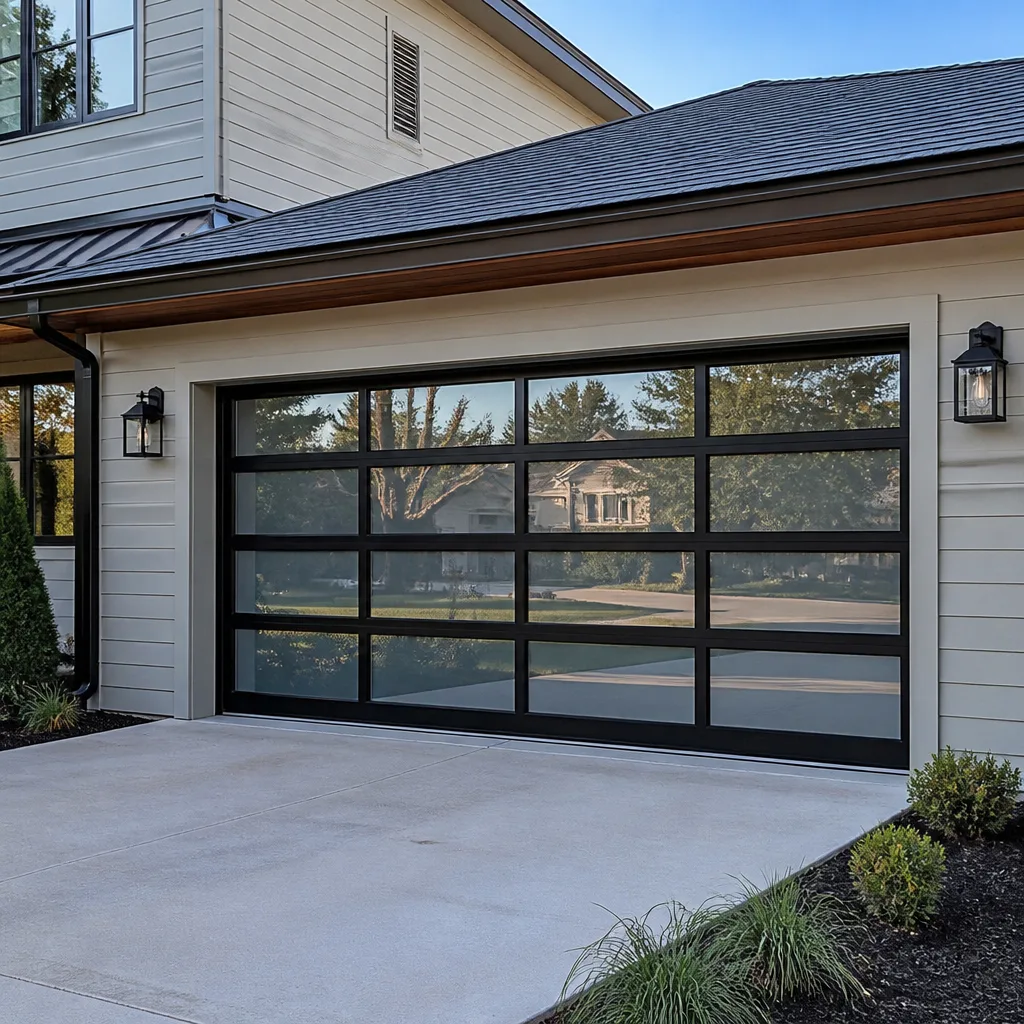
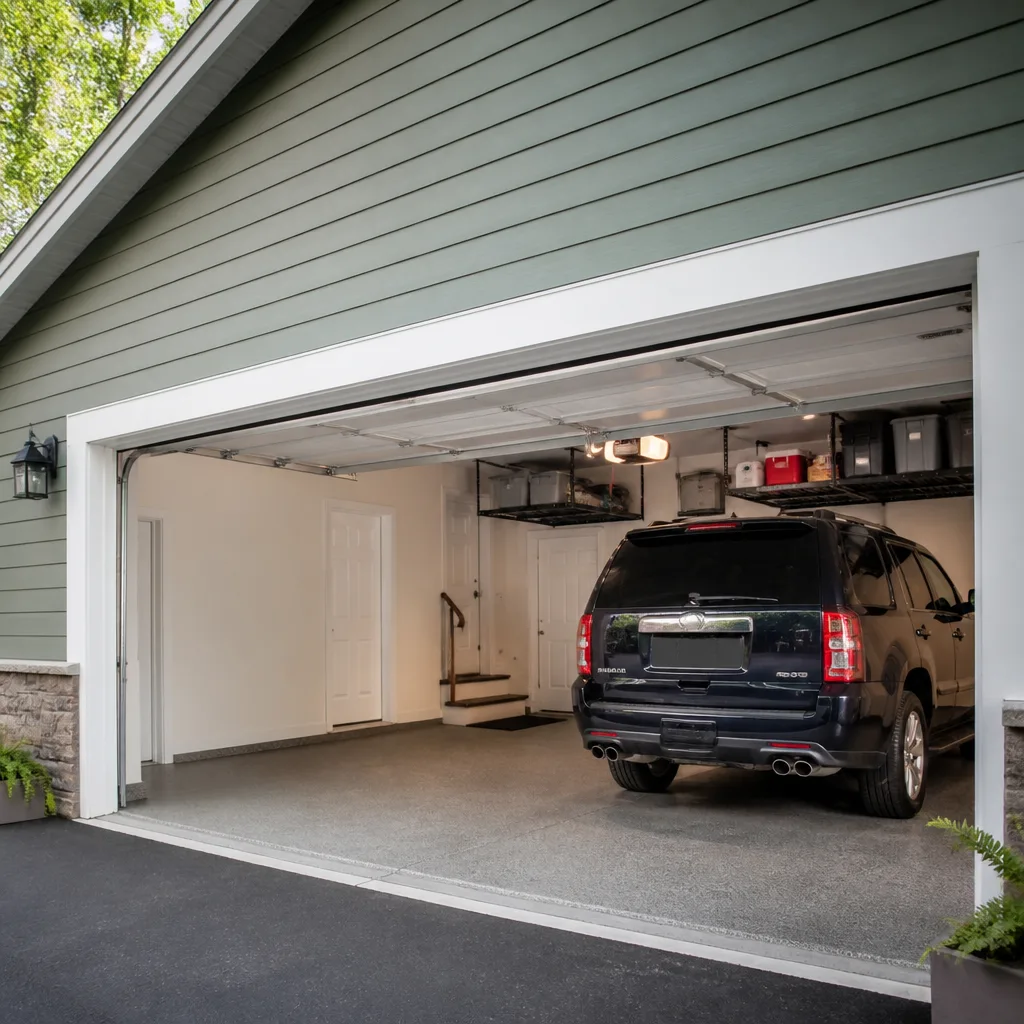
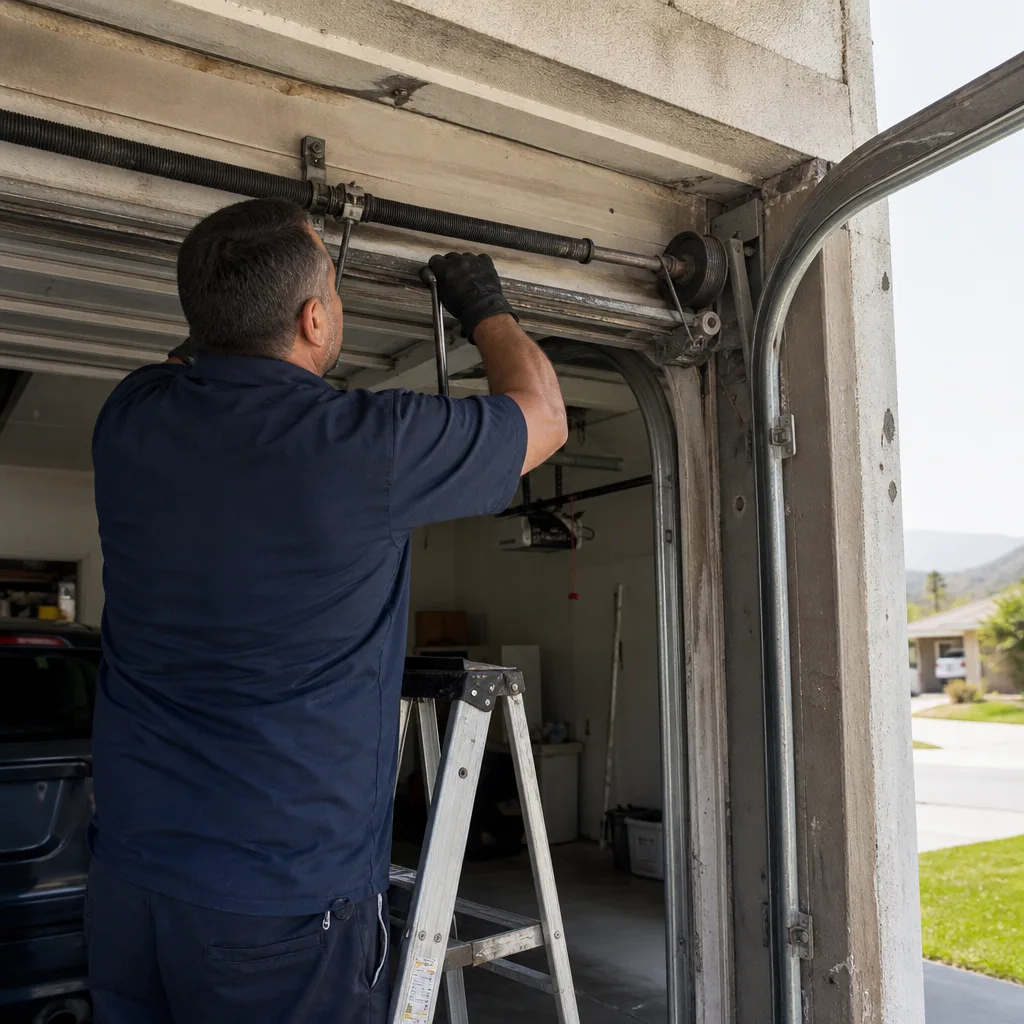 Before
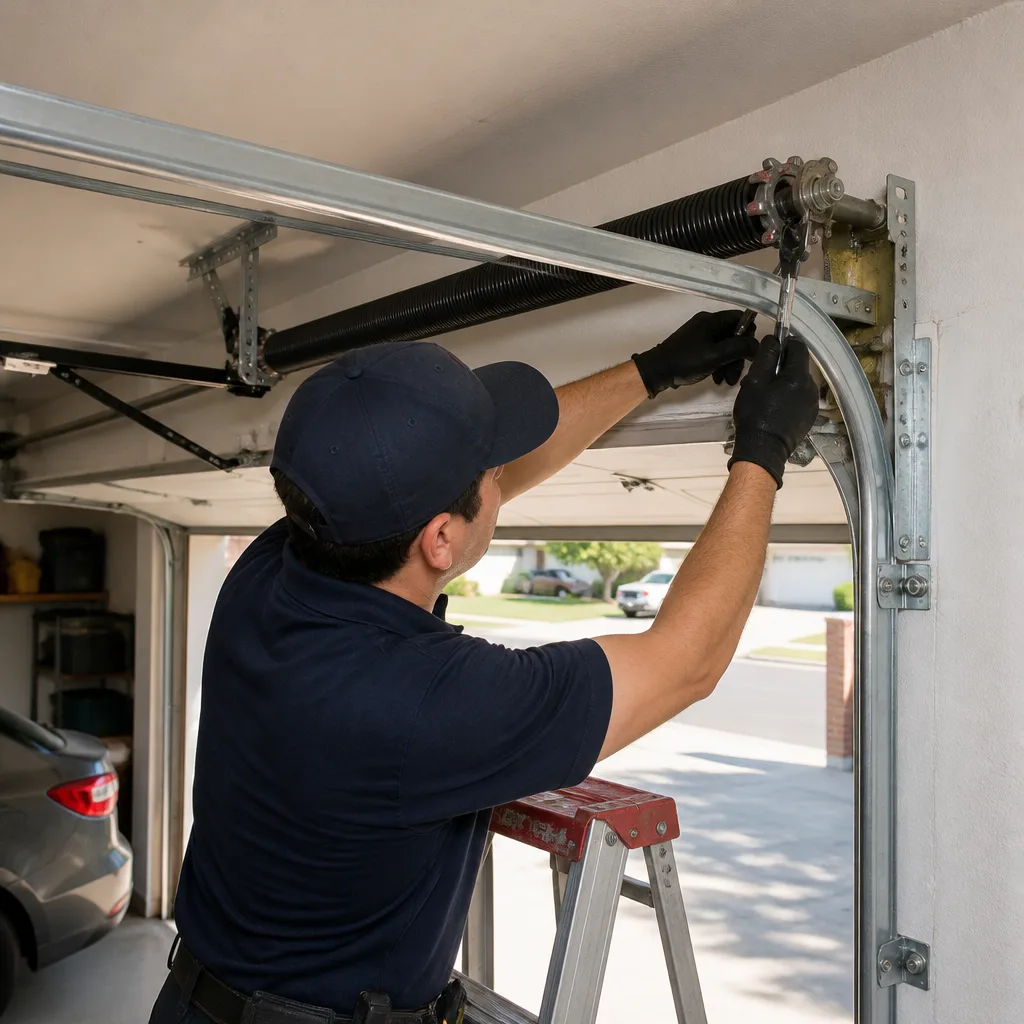 After
After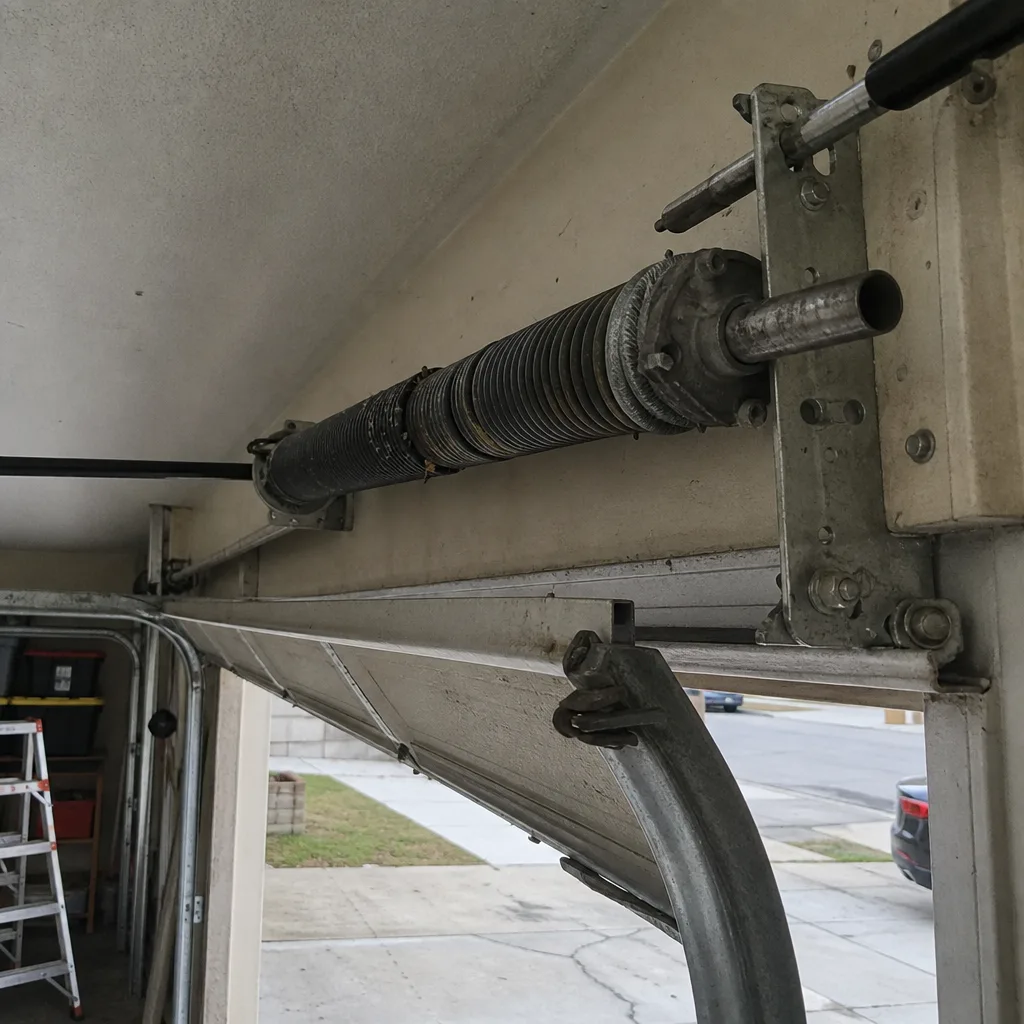 Before
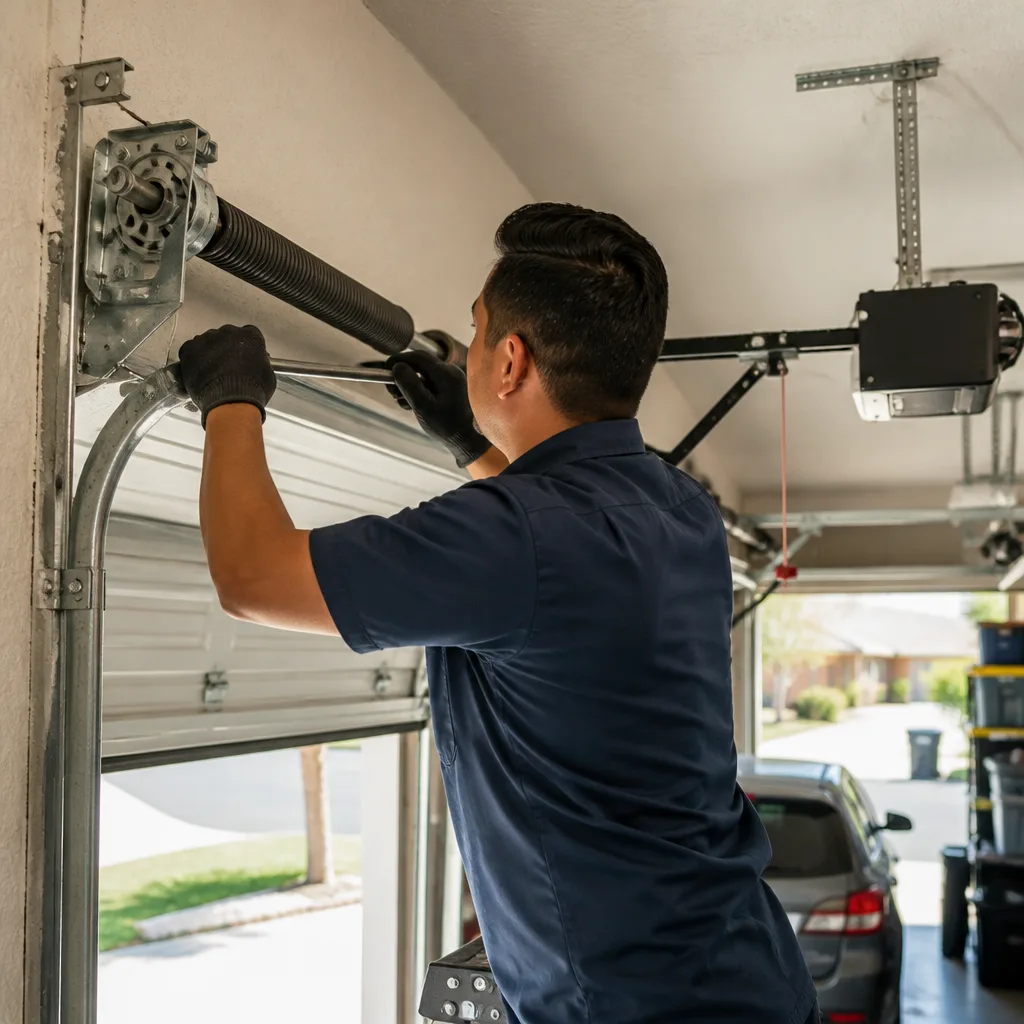 After
After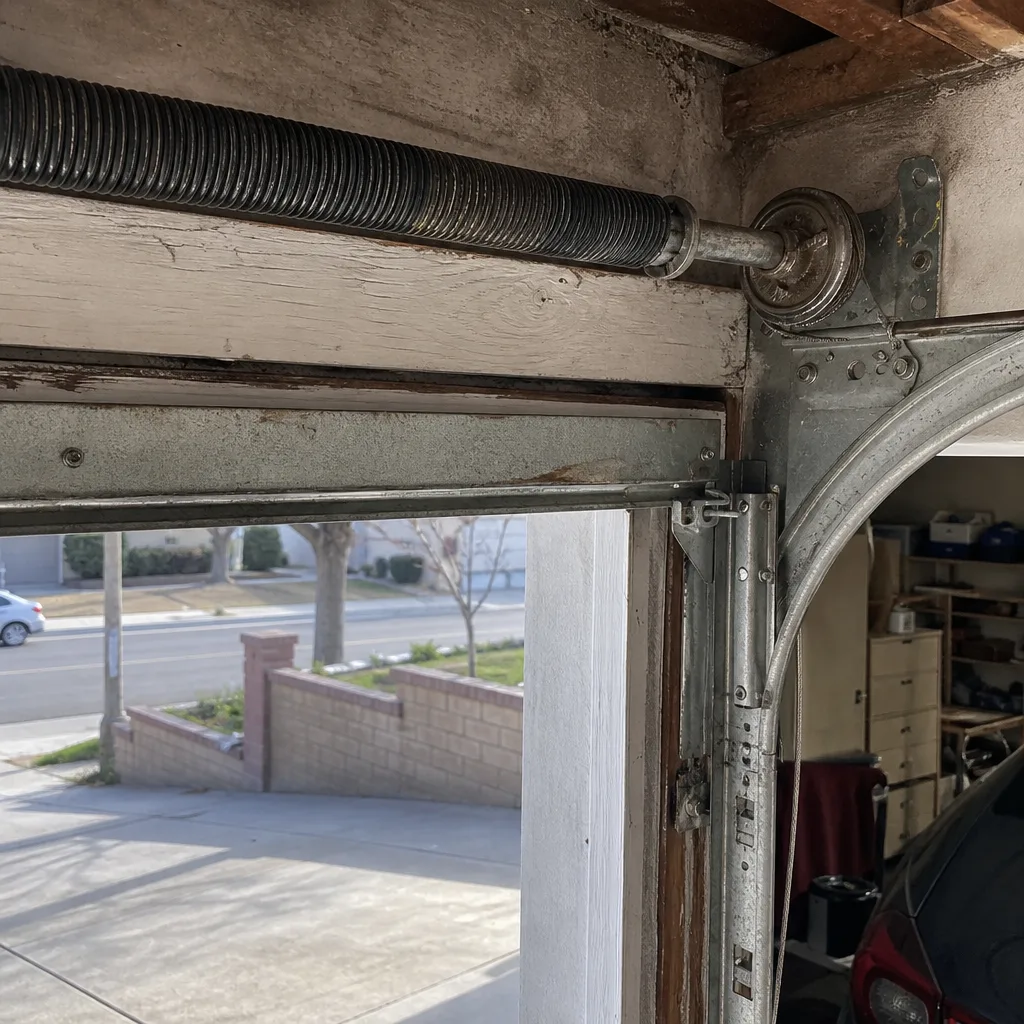 Before
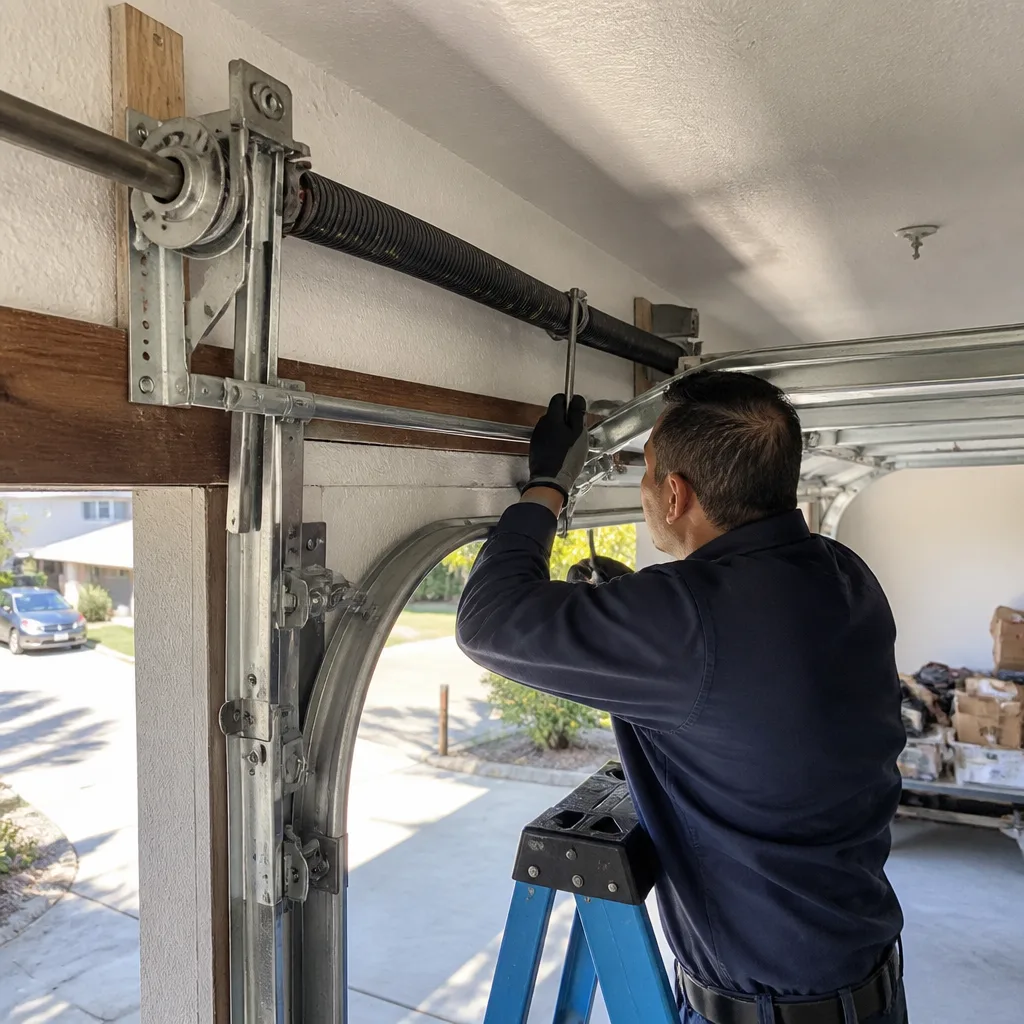 After
AfterGarage Door Permits, Codes & Inspections in CA: What You Need to Know
Replacing a single garage door panel is unpermitted work in most California jurisdictions. Replacing the full door and frame assembly crosses a threshold in Rancho Cucamonga that triggers a Title 24 energy compliance review. Most contractors don’t mention this upfront, and homeowners only learn about it when a sale falls through or an inspector flags the work years later. This guide covers the three levels of California garage door code, the Rancho Cucamonga amendments that change permit thresholds, the inspection process, and what unpermitted work means for your resale disclosure obligations under California Civil Code Section 1102. For garage door warning signs Rancho Cucamonga homeowners should watch for, see our companion guide.
Quick Answer
Whether you need a garage door permit in California depends on the scope of work, your county, and your city’s local amendments. In Rancho Cucamonga, panel-only replacements typically require no permit, but full door and frame replacements do, and that permit triggers a Title 24 Part 6 energy compliance review with garage door insulation (R-value) requirements. Mechanical or structural work, like cutting a new opening or changing a header, always requires a permit and inspection.
Table of Contents
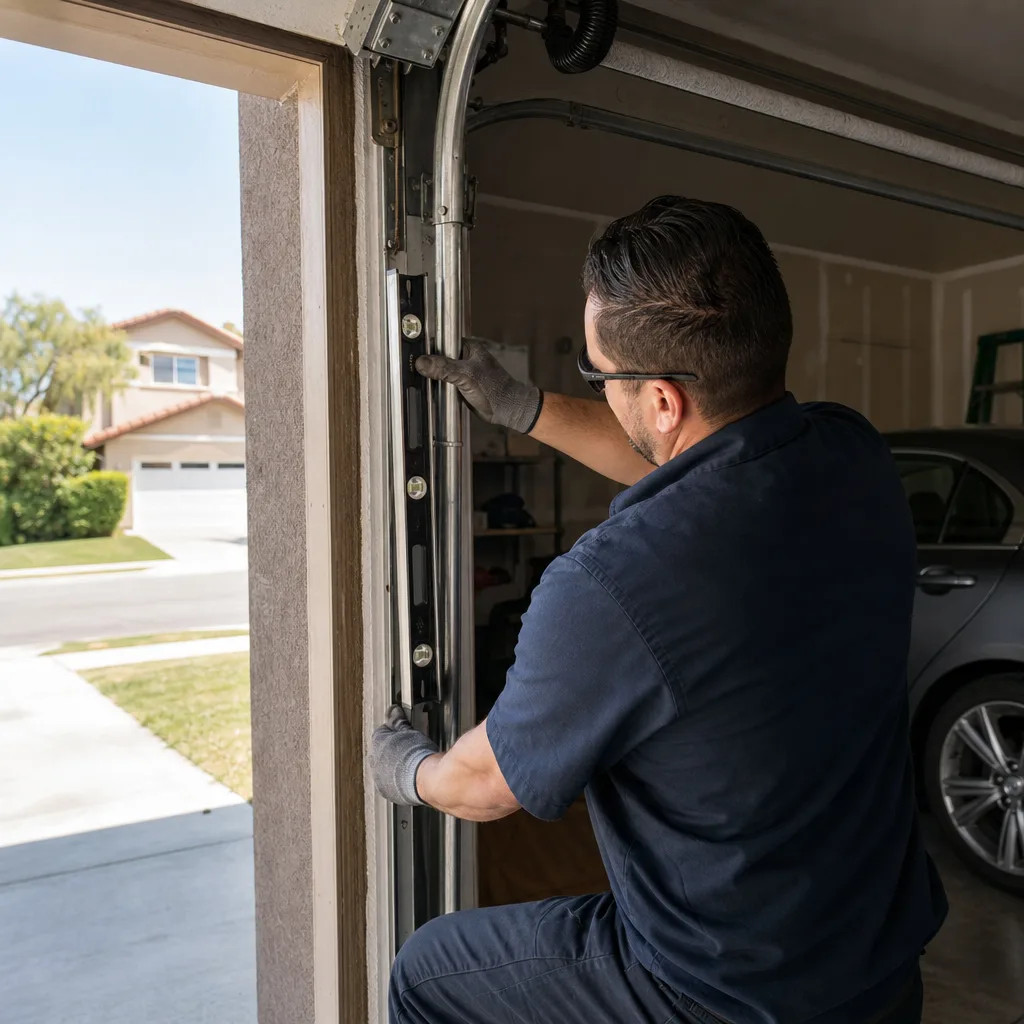
- Do You Need a Permit to Replace a Garage Door in California?
- How California Title 24 Applies to Garage Doors
- Rancho Cucamonga Local Amendments: What Changed
- The Four Work Categories: Panel, Full Door, Opener, Structural
- The Inspection Process: Who Schedules, What Gets Checked, How Long Records Last
- Resale Disclosure and Civil Code §1102
- How to Request a Retroactive Permit for Unpermitted Work
- Common Mistakes to Avoid
- When to Call a Professional
- Frequently Asked Questions
- The Bottom Line
BeforeAfterDo You Need a Permit to Replace a Garage Door in California?
California does not have a single statewide garage door permit rule. The state sets the floor through the California Building Standards Code. Counties adopt that code. Cities adopt the county’s version and then amend it. What’s true in Rancho Cucamonga may not be true in Ontario, Fontana, or unincorporated San Bernardino County. For most homeowners, the practical question is this: is the work a repair, an alteration, or new construction? The California Building Code generally exempts “ordinary repairs” from permits, but the definition of ordinary is narrower than most people assume.
An ordinary repair means replacing like for like without changing the opening, the structure, or the door’s energy performance characteristics. If you swap a broken steel panel for an identical steel panel, that reads as repair work. If you replace a single steel door with an insulated double-ply door, you are changing the thermal performance of the building envelope, and that is exactly the kind of change California energy code cares about. Once a permit is triggered, the project moves from a parts swap to a code compliance event.
In our experience at Servo Garage Doors Rancho Cucamonga home, the permit conversation should happen at the estimate stage, not after the old door is off the track and lying in the driveway. Clause 1 of The Haven Standard requires that we hand you the written scope before any work starts, and that scope includes the permit determination.
How California Title 24 Applies to Garage Doors
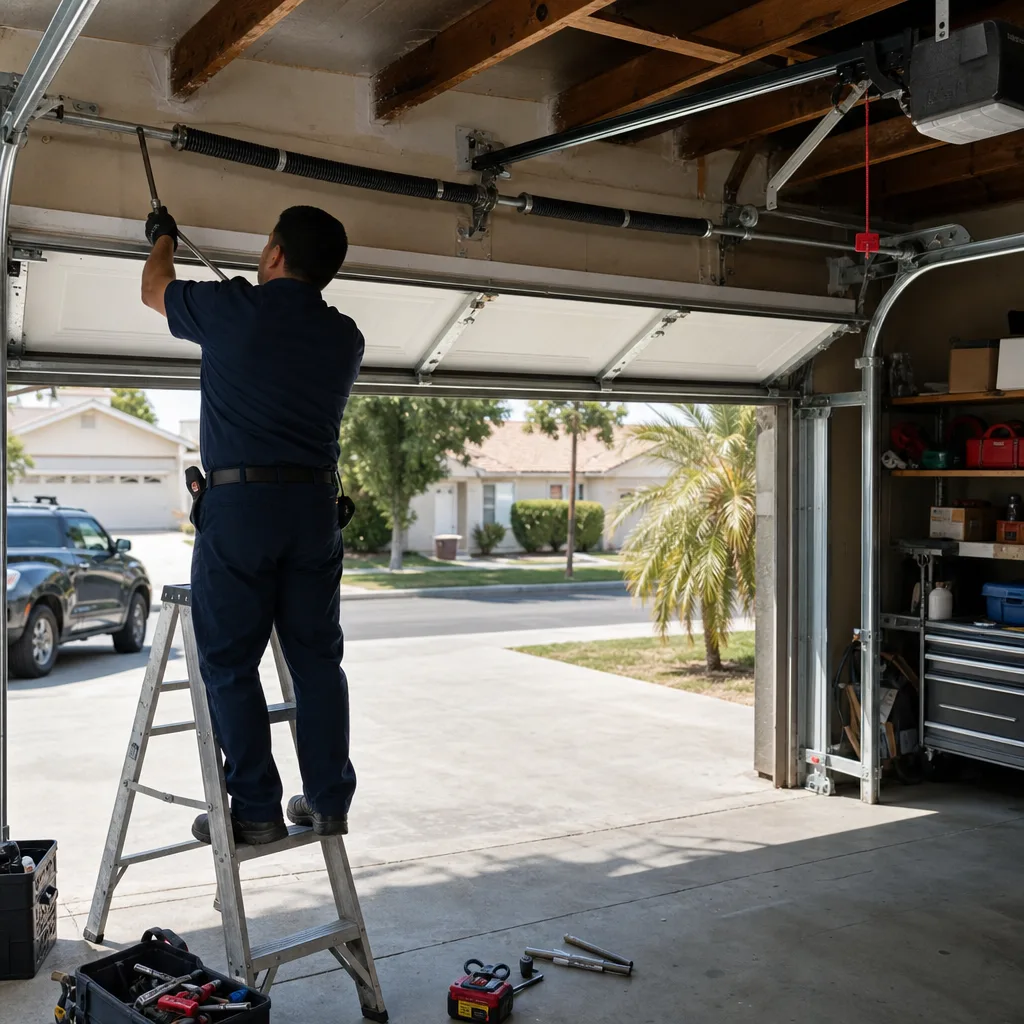
California’s Title 24 Part 6 sets the energy code for buildings, and attached garages are part of the conditioned envelope picture. When a permit is pulled for a garage door replacement in Rancho Cucamonga, the door must meet the prescriptive insulation requirements that apply to residential garage doors in the applicable climate zone. In this part of San Bernardino County, that typically means an R-value minimum that takes most uninsulated steel doors off the table. The specific R-value depends on the door’s construction and the exact climate zone designation for your address.
What catches homeowners off guard is that the insulation requirement applies any time a permit is issued, regardless of whether they personally wanted an insulated door. You cannot choose to skip insulation to save money and still pass the energy compliance review. The door either meets the R-value requirement or the plan reviewer rejects the project. For brands like Clopay and Amarr, the relevant polyurethane or polystyrene insulated models carry the R-values that satisfy Title 24, but you need to specify them from the start.
Garage door openers are subject to a different standard. Since July 2019, California requires residential garage door openers sold or installed in the state to have battery backup. The technical requirement lives in the California Code of Regulations. Whether your opener installation requires a permit is a separate question, but if a permit is pulled, the battery backup requirement becomes part of what the inspector verifies.
Rancho Cucamonga Local Amendments: What Changed
The City of Rancho Cucamonga adopts the California Building Code with local amendments. Those amendments are published in the city’s municipal code and change the permit threshold for certain residential work. The short practical version for garage doors: replacing a door panel only, with no change to the frame, the opening, or the thermal characteristics of the door, generally falls below the city’s permit threshold. Replacing the full door and frame assembly generally does not.
That distinction matters because it is not intuitive. A homeowner can look at two jobs that seem nearly identical. Job one: the bottom panel of a Wayne Dalton door is dented, and a technician replaces that single panel. No permit. Job two: the entire door is being swapped for an Amarr insulated model, and the track system is being replaced along with it. That second job crosses into permit territory in Rancho Cucamonga because the full assembly change alters the building envelope.
The city’s building division is the authoritative source. If you are not sure, the safe path is a phone call to the city’s permit desk, or a conversation with a contractor who has already pulled permits for garage door work in Rancho Cucamonga and can quote you the exact permitting path. Our step-by-step guide to hiring a garage door contractor in Rancho Cucamonga covers what to ask before you sign. We answer this question during our written scope process, not after the fact.
The Four Work Categories: Panel, Full Door, Opener, Structural
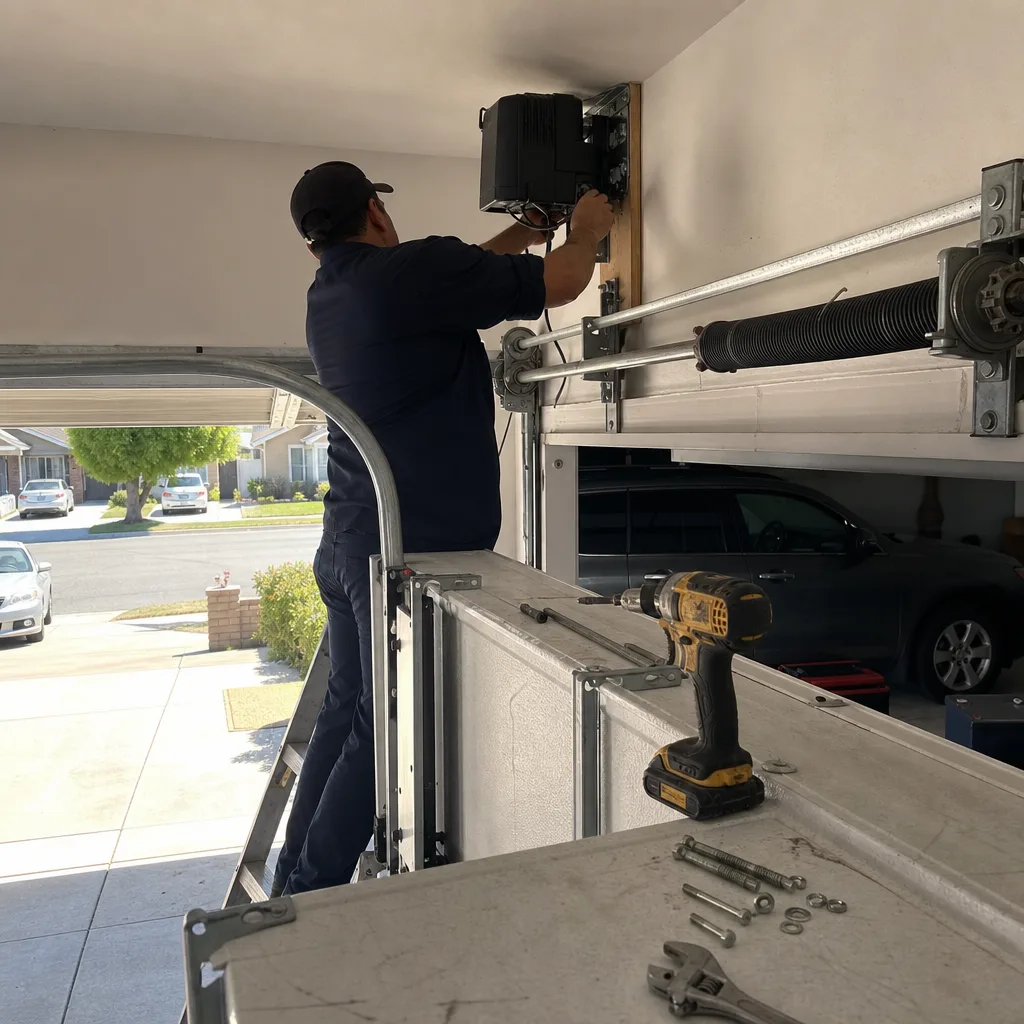
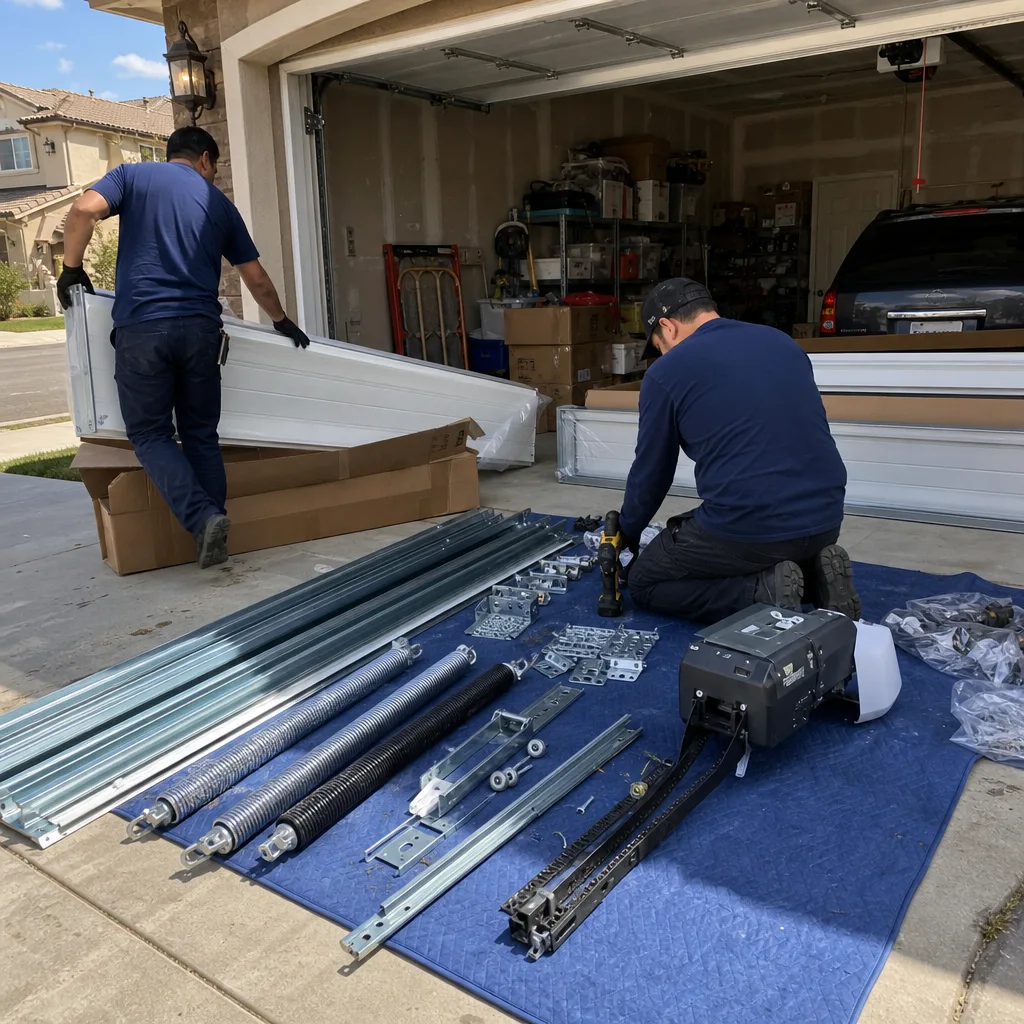
Different types of garage door work fall into different permit categories. Getting the category right determines whether you are doing a parts transaction or a code compliance project. Here is the practical breakdown we use on Garage Door Repair in Rancho Cucamonga jobs.
- Panel replacement: In Rancho Cucamonga, replacing one or more damaged sections of an existing door without altering the frame, track, or insulation characteristics generally requires no permit. The work is treated as a repair. The key qualifier is “generally” - if the panel change alters the door’s weight enough to require new counterbalance springs, the job is no longer simply cosmetic.
- Full door and frame replacement: When the entire assembly comes out including frames, jambs, and track, and a new door goes in, the project crosses the city’s permit threshold. A Title 24 energy review applies, and the new door must meet insulation minimums. This is the category where most permit oversights happen.
- Opener installation and replacement: A like-for-like opener swap often falls below the permit threshold in Rancho Cucamonga. A new opener installation that adds a receptacle, runs new wiring, or alters the structural attachment points can require an electrical permit. California’s battery backup mandate applies to virtually all new residential opener installations.
- Structural header work: Any modification to the header above the door, widening the opening, adding a second door, or changing the load path always requires a structural permit and an inspection. This is not negotiable in any California jurisdiction.
The Inspection Process: Who Schedules, What Gets Checked, How Long Records Last
Once a permit is issued for garage door work in Rancho Cucamonga, the inspection process follows a standard sequence. The permit holder (typically the contractor who pulled the permit) schedules the inspection with the city’s building division. In practice, the inspection is usually scheduled after the door is installed but before the final trim work obscures any anchor points, fasteners, or opener connections the inspector needs to see.
What the inspector checks depends on the scope. For a full door replacement with a Title 24 review, the inspector will verify that the installed door matches the approved plans, which includes checking the specified R-value. For opener work, the inspector verifies the battery backup, the electrical connection, and the security of the mounting. For structural work, the inspector checks the header, the fastening schedule, and the load path. If something fails, the inspector issues a correction notice, and the contractor schedules a re-inspection after the correction is made.
How long does the city hold these records? Rancho Cucamonga’s building division maintains permit records for years, and these records are searchable. That’s the part homeowners don’t think about until a title search or a resale disclosure request pulls up a permit history. A completed permit with a passed inspection is an asset. An open permit that was never finaled is a liability, and it follows the property, not the current owner.
When we complete Garage Door Installation in Rancho Cucamonga projects that require permits, the documented photo record and the final inspection sign-off are part of what the homeowner receives. That paper trail is exactly what a buyer’s title company asks for years later.
Resale Disclosure and Civil Code §1102
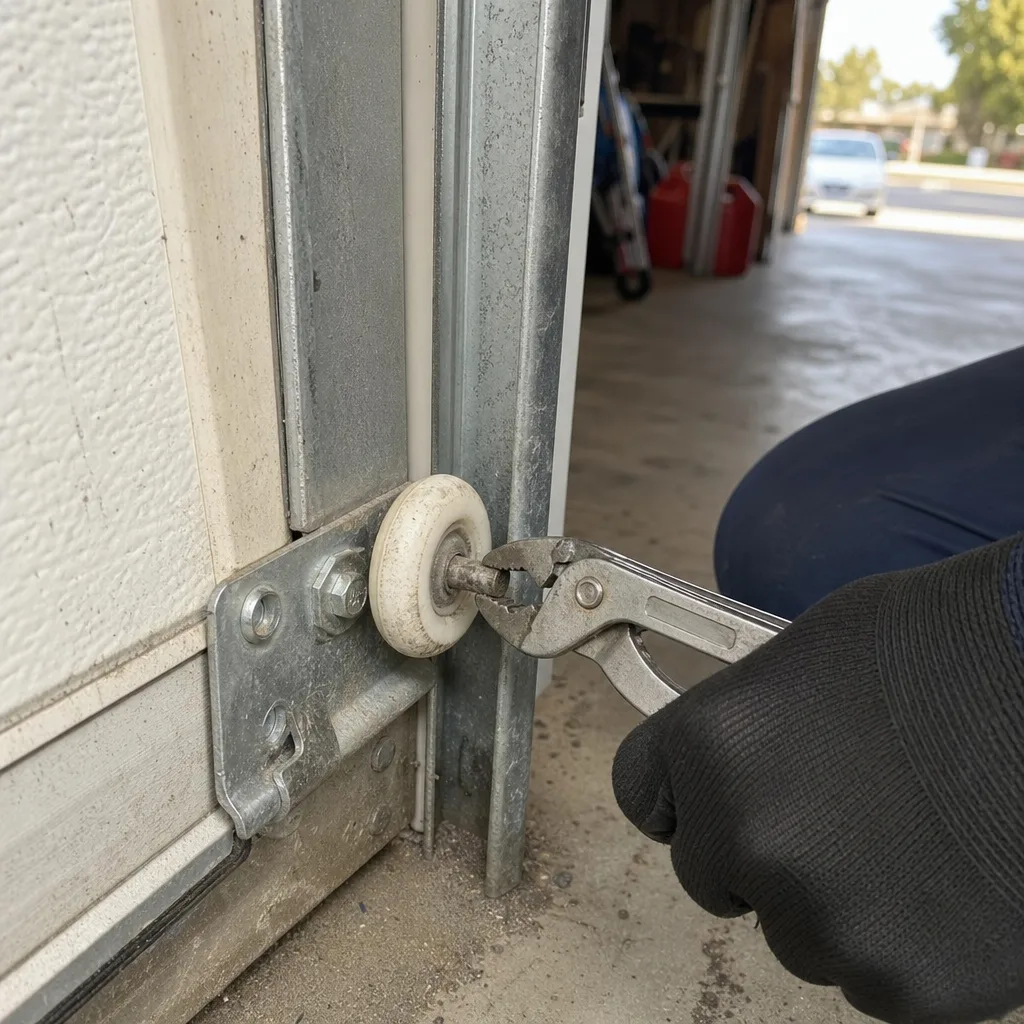
California Civil Code Section 1102 requires sellers of residential real property to complete a Transfer Disclosure Statement (TDS). One of the questions on that form asks about work done on the property and whether permits were obtained. If a homeowner replaced a full garage door assembly in Rancho Cucamonga without a permit and then answers that question inaccurately on a disclosure form, the transaction carries a misrepresentation risk. That risk survives closing.
In practice, we have seen unpermitted garage door work surface during escrow in two ways. First, a buyer’s home inspector flags the work and asks about permits. Second, a title search or a buyer’s agent pulls the city’s permit records and notices a gap: the house has a newer door but no corresponding permit. Either way, the seller is suddenly negotiating with a buyer who has leverage.
The fix is not always pleasant. A retroactive permit can resolve the issue, but it takes time and it costs money, and the seller often ends up paying a premium to accelerate it. The cleaner path is to do the permit work correctly the first time. When a garage door replacement in Rancho Cucamonga needs a permit, it needs a permit, and the disclosure form becomes a non-issue.
How to Request a Retroactive Permit for Unpermitted Work
If you discover that prior garage door work on your home was done without a required permit in Rancho Cucamonga, the city has a path to bring the work into compliance. The process is called a retroactive permit, and here is the step-by-step sequence we have seen homeowners navigate.
- Assess the scope. Determine what was actually done and which permit category applies. If you are not sure, the city’s building division can help you classify the work.
- Gather documentation. If you have the original invoice, the door model, the opener specifications, or photos of the installation, collect them. They establish what was installed and when.
- Contact the city building division. Explain the situation and ask what the retroactive permit application requires for your specific scope. Some retroactive permits are administrative. Others trigger a full plan review for Title 24 compliance.
- Schedule the inspection. The city will inspect the work as it exists now. If the door does not meet current energy requirements, you may be required to correct it, which can mean adding insulation or replacing the door.
- Pay the fees. Retroactive permit fees typically exceed the original permit fees. The exact amount depends on the scope and the city’s adopted fee schedule for the current year.
- Close the permit. Once the inspection passes and the fees are paid, the permit is finaled, and the property’s record is clean.
The retroactive permit process is easier than a disclosure dispute, but it is not fast. If you are in escrow and this comes up, you are negotiating from a weak position. That is why getting the permit determination right at the time of installation is worth the effort.
Common Mistakes to Avoid
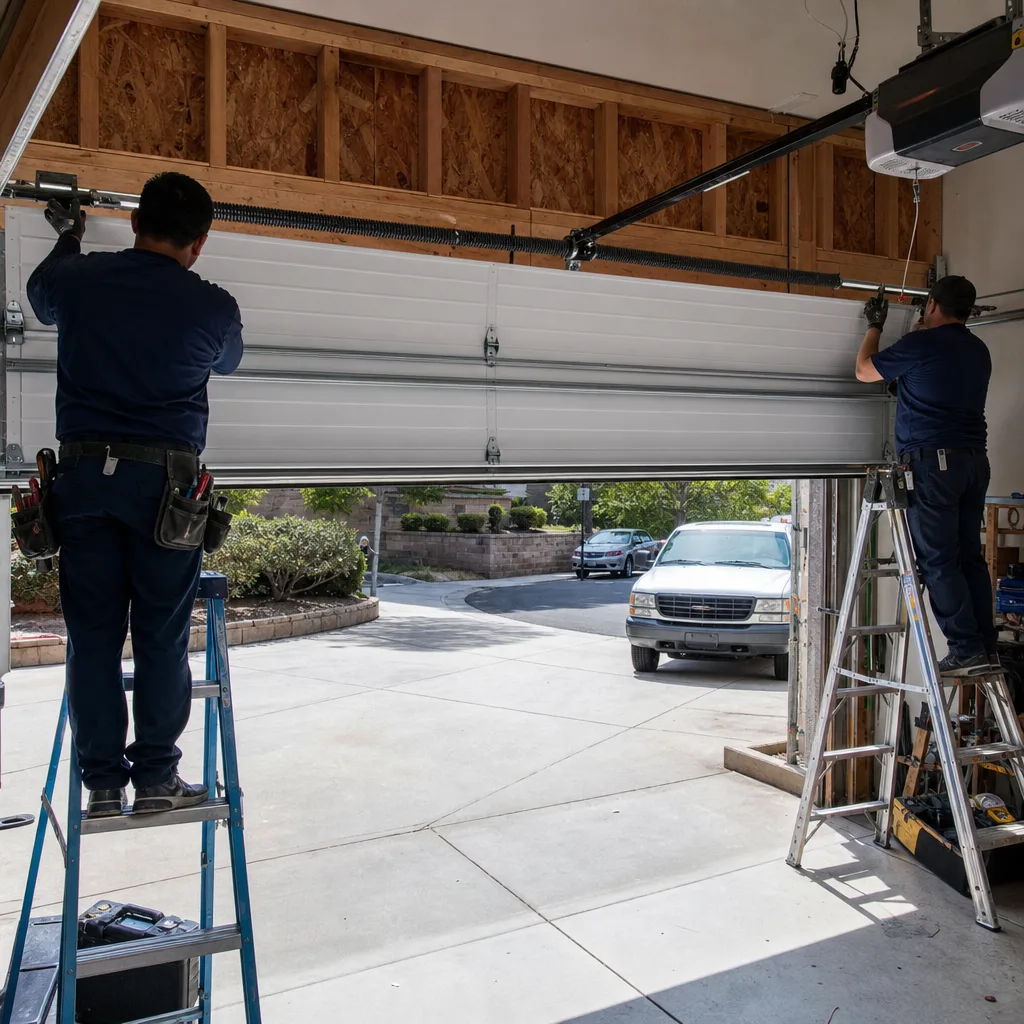
- Assuming “like for like” means “no permit” in every case. The like-for-like exemption in California applies to repairs, but the moment a full assembly swap changes the door’s insulation value, the work crosses out of repair territory in Rancho Cucamonga.
- Relying on a contractor who says permits are never needed. That statement is a red flag. A contractor who dismisses the city’s published permit requirements is either misinformed or actively avoiding the cost and time of compliance, and that avoidance lands on the homeowner’s title.
- Skipping the Title 24 check when buying an insulated door. Some big-box door packages include insulated doors that do not meet the R-value minimum for a permitted installation in this climate zone. The door gets rejected at the energy review, and the homeowner pays twice.
- Confusing opener battery backup requirements with a recommendation. Battery backup is a legal requirement in California. An opener without it should not be installed here, and an inspector will verify it.
- Leaving an open permit unfinaled. An open permit is a disclosure item. The seller has to answer for it, and in some cases the city will not issue new permits for the property until the old permit is closed.
- Assuming the city searches records proactively. Rancho Cucamonga does not send out inspectors to knock on doors looking for unpermitted garage door work. The problem shows up later, in disclosure forms and transaction disputes.
- Believing you can pull a permit after the fact with no consequences. Retroactive permits are possible but they cost more than original permits and can force you to replace work that does not meet current code.
When to Call a Professional
Any full door replacement that triggers a permit in Rancho Cucamonga should be handled by a contractor who has pulled city permits for garage door work and knows what the plan review will reject before the door is ordered. Following a garage door repair maintenance checklist for Rancho Cucamonga homeowners can help you spot issues early. That is not the moment to hire a trunk-slammer who waives the permit question. Structural work, like enlarging an opening or modifying a header, always requires a licensed professional and a permit, no exceptions. If you are buying a home and the inspection flags garage door work without a permit history, get a retroactive permit assessment before you sign the final disclosure.
Servo Garage Doors Rancho Cucamonga offers free estimates in Rancho Cucamonga - call (909) 498-8655 and you’ll receive a written price and written scope before any work starts, including the permit determination.
Frequently Asked Questions
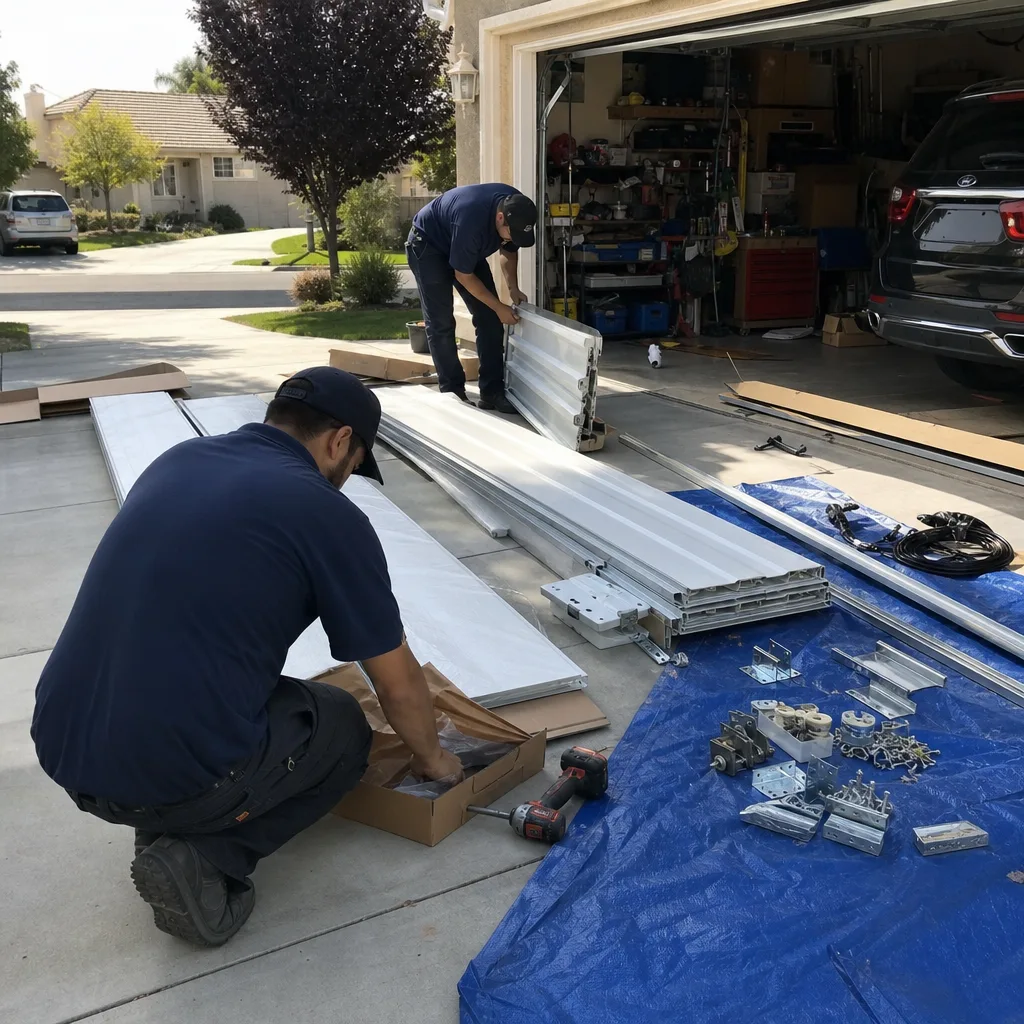
A full door and frame replacement generally requires a building permit in Rancho Cucamonga because the city’s local amendments set the threshold below a complete assembly change. Panel-only replacement generally does not. The permit triggers a Title 24 energy review, which means the new door must meet an R-value minimum. Call the city’s building division or a contractor like Servo Garage Doors Rancho Cucamonga at (909) 498-8655 to get a definitive determination for your address before ordering a door.
The required R-value varies by climate zone, but in the Rancho Cucamonga area, a permitted garage door replacement must typically meet a prescriptive insulation minimum that excludes standard uninsulated steel doors. The exact requirement is tied to your specific climate zone and is verified at the plan review stage. Insulated models from Amarr, Clopay, or Wayne Dalton are usually specified to satisfy this, but confirm the R-value on the product data sheet before you buy.
You can list the home, but California Civil Code §1102 requires you to disclose unpermitted work on the Transfer Disclosure Statement, and a buyer’s inspection or title search may surface it regardless. If the work is discovered during escrow, you will likely negotiate from a weak position and may need to complete a retroactive permit before closing. The cleaner path is to resolve the permit before listing.
A straightforward over-the-counter permit for a full door replacement can often be issued within days if the door specifications and energy documentation are in order. Structural work requires plan review and takes longer. If you need a realistic schedule for your specific scope, call the city’s building division or ask Servo Garage Doors Rancho Cucamonga at (909) 498-8655 to walk you through the timeline during the estimate.
A like-for-like opener swap generally does not require a permit in Rancho Cucamonga, but an opener installation that adds new electrical work or changes structural attachment points can. Separate from the permit question, California requires new residential openers to have battery backup, and that is not optional. We cover this in our Garage Door Opener Repair & Installation in Rancho Cucamonga work.
Retroactive permit fees are higher than original permit fees, and the total depends on the scope and the city’s current fee schedule. The larger cost is usually the correction work if the existing door does not meet today’s energy code. To get a clear picture of what a retroactive permit will require for your particular door, call the city’s building division directly.
The Bottom Line
California garage door permit rules are a patchwork of state energy code, county adoption, and municipal amendment, and Rancho Cucamonga’s local amendments mean a full door and frame replacement generally needs a permit while a panel swap does not. That permit triggers a Title 24 energy review with real R-value requirements. Unpermitted work becomes a resale problem under Civil Code §1102, and retroactive permits cost more than original permits. If you are replacing a garage door in Rancho Cucamonga, the permit determination belongs in the written scope before the old door comes down. Browse our more guides & resources for additional homeowner references. That’s the way to keep your property record clean and your eventual sale straightforward.
Written by Marcus Deller, Owner at Servo Garage Doors Rancho Cucamonga, serving Rancho Cucamonga since 2015.