
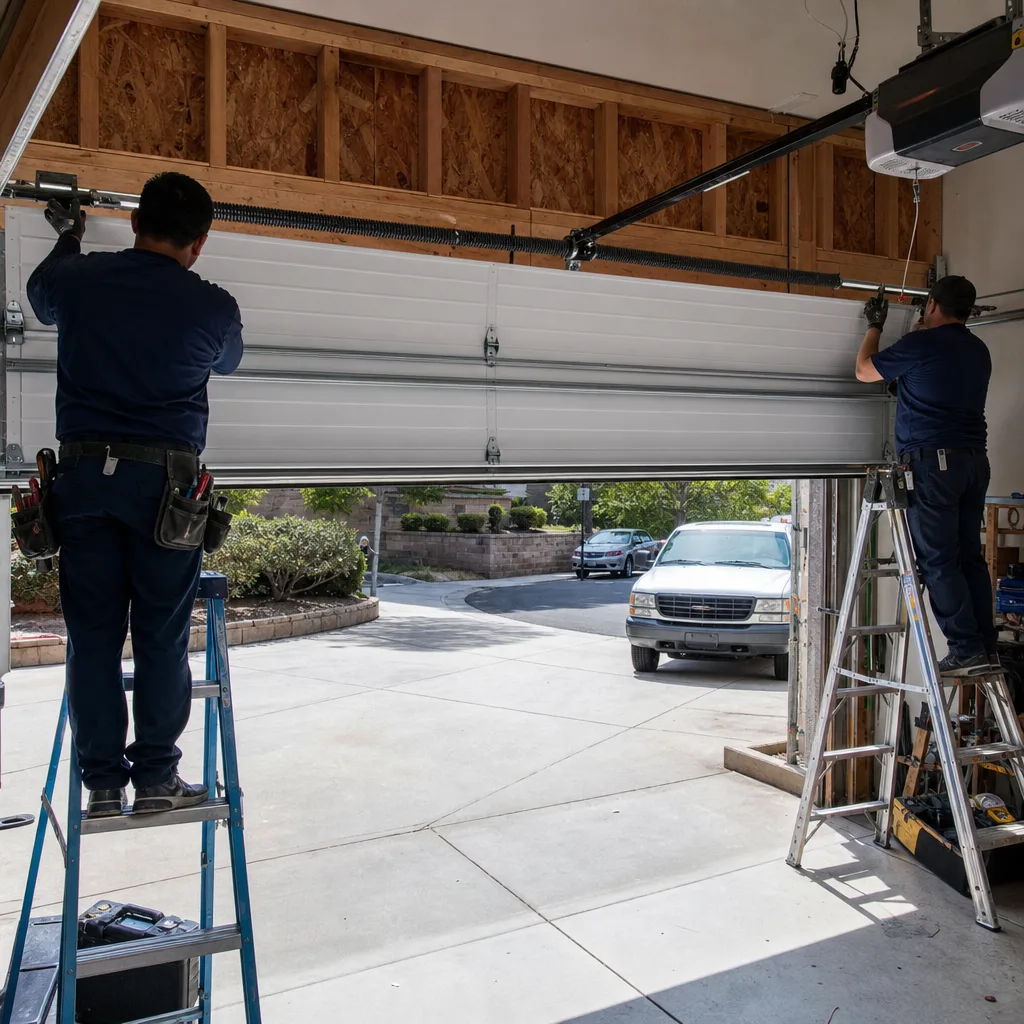
Last updated September 20, 2026
Full 25-point door and opener safety check with every visit - springs, cables, rollers, tracks, and your LiftMaster or Chamberlain opener included
You get a price before we start. It does not change when the truck arrives.
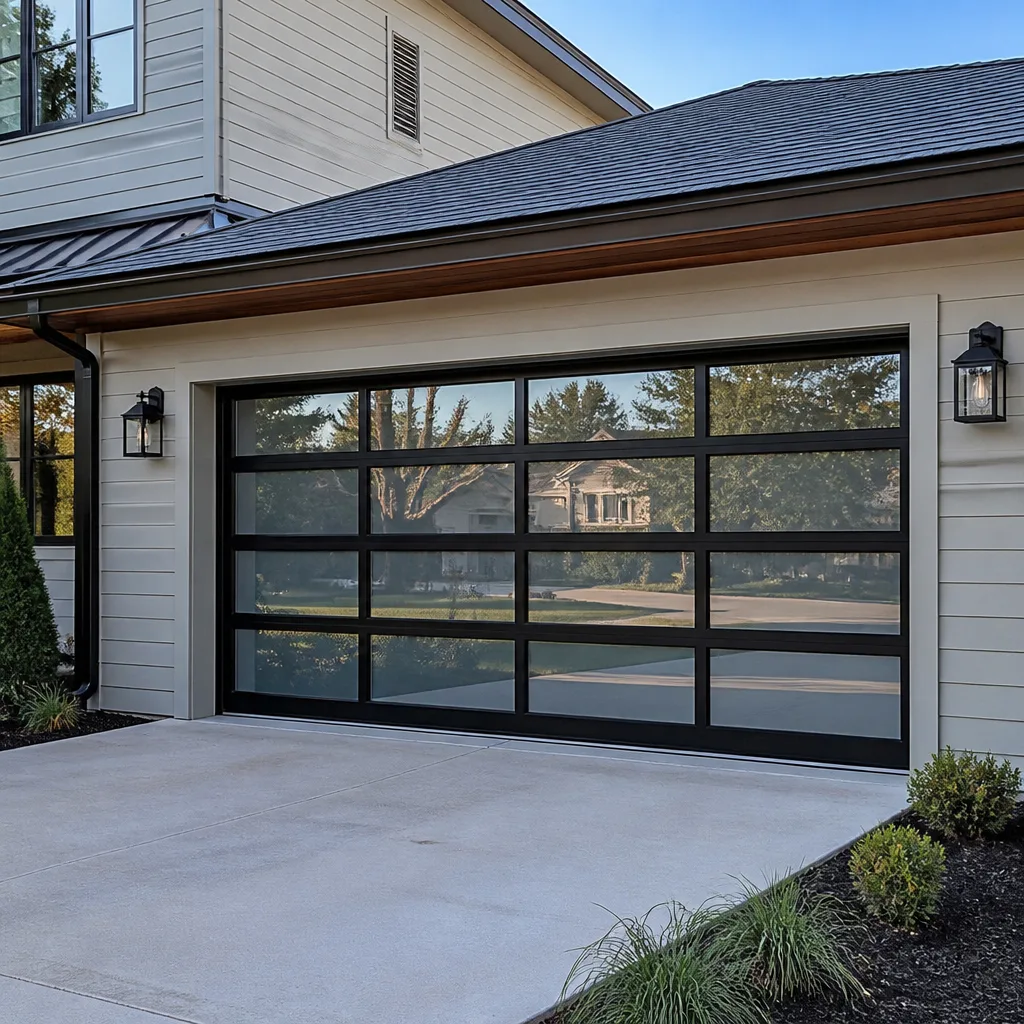
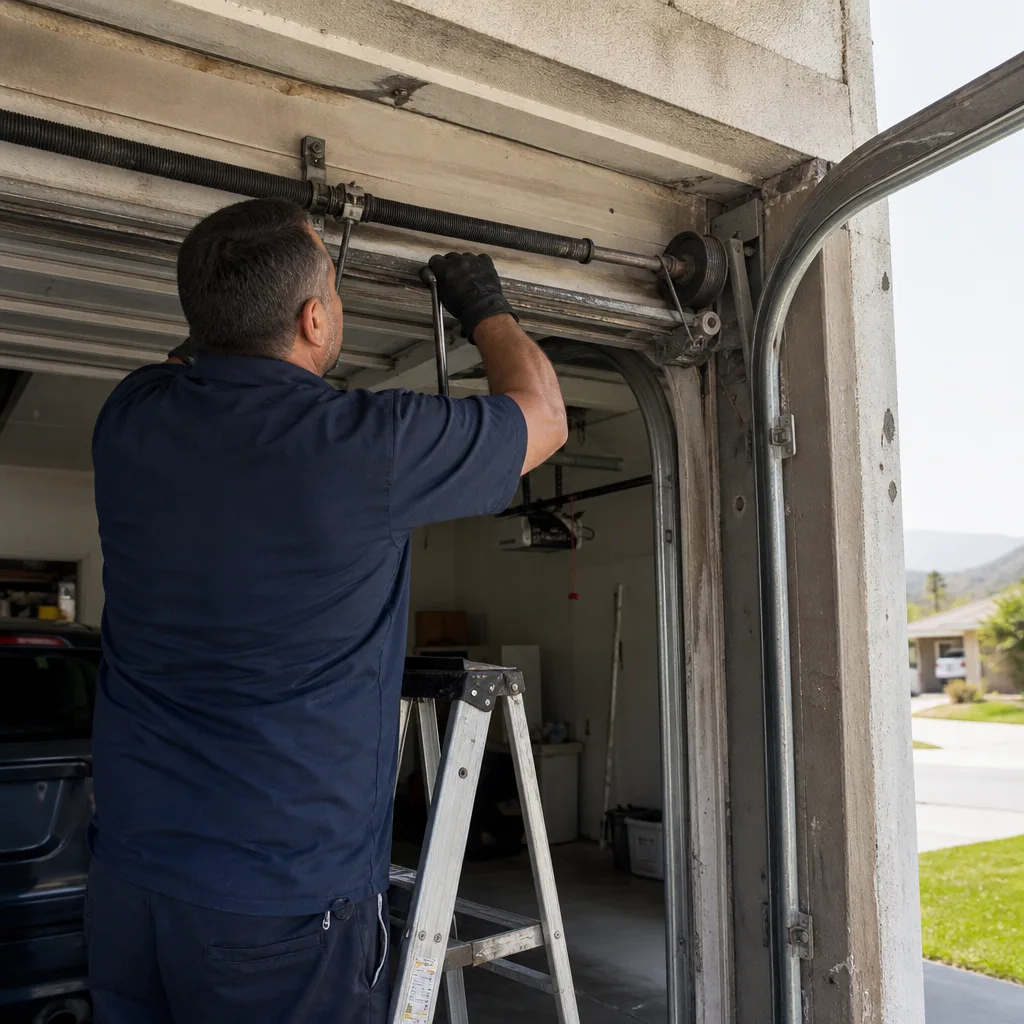 Before
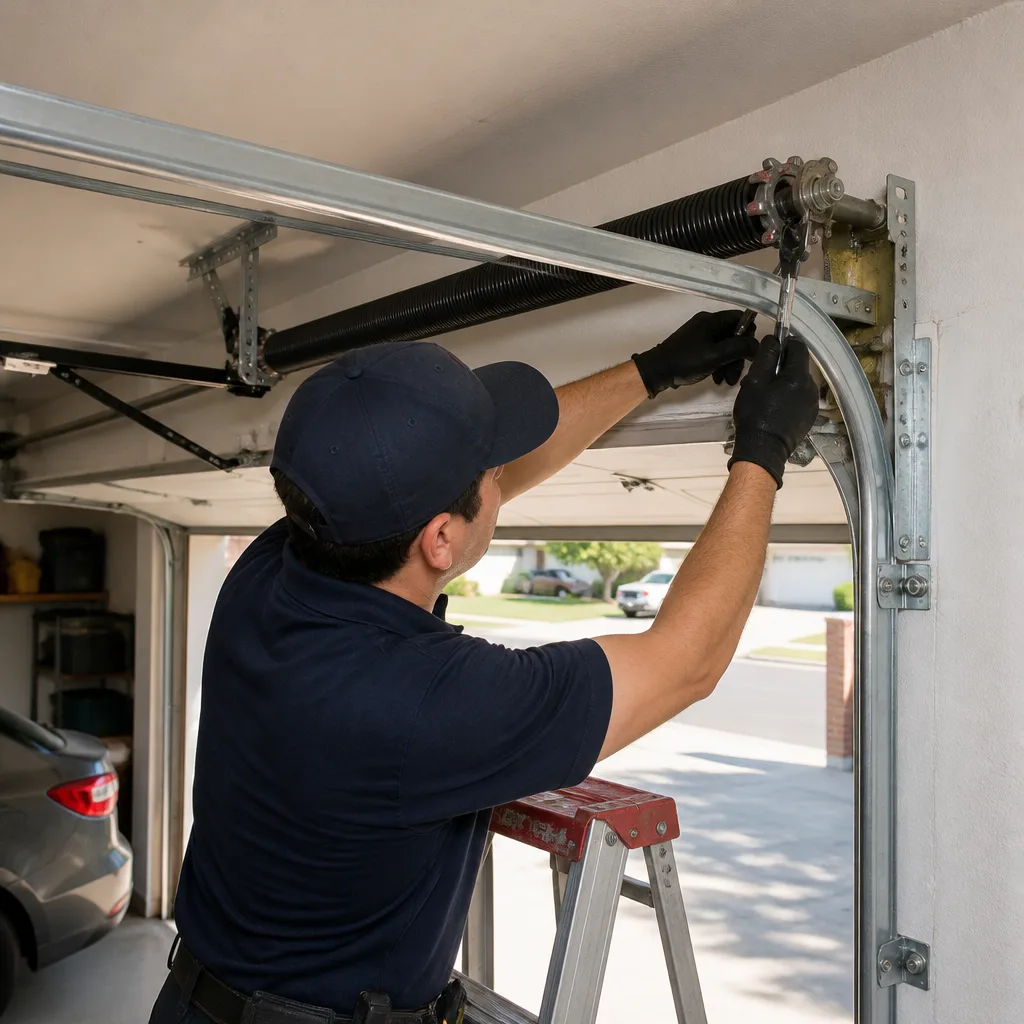 After
After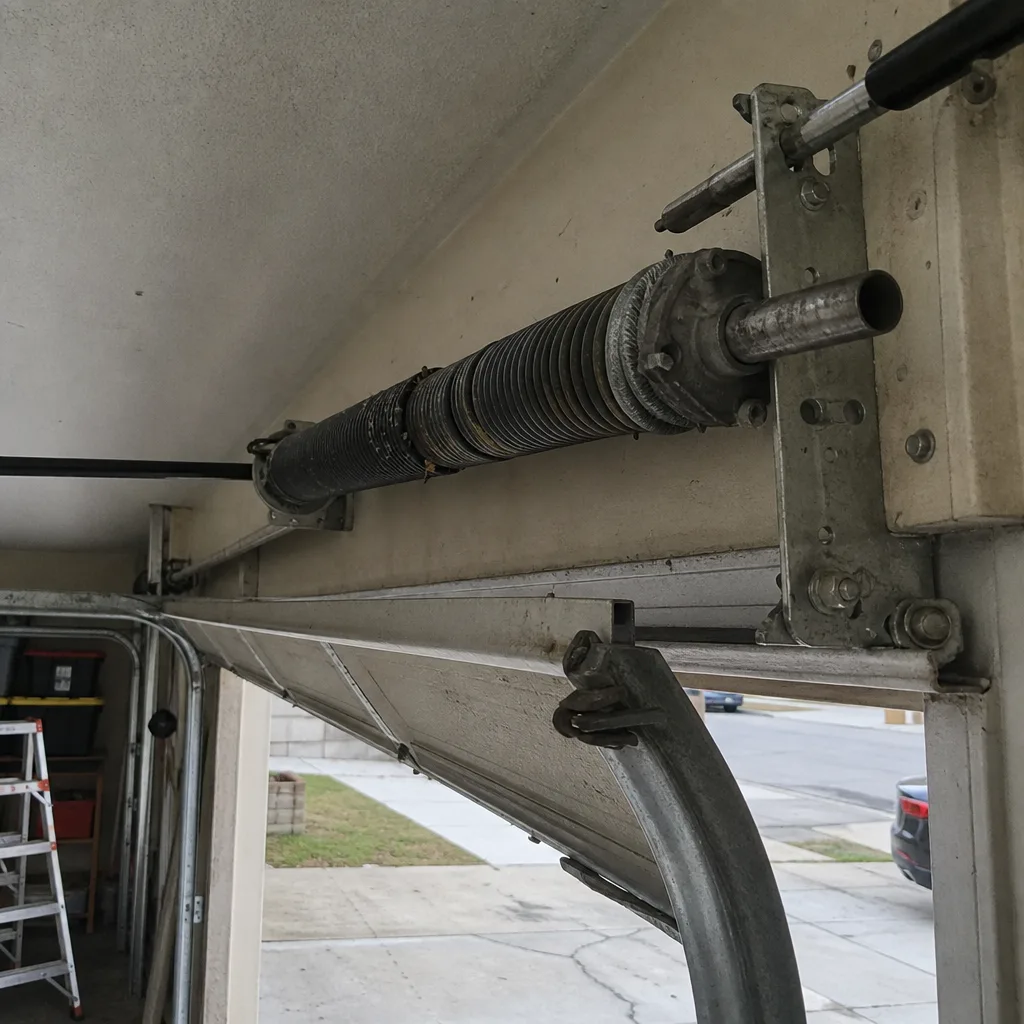 Before
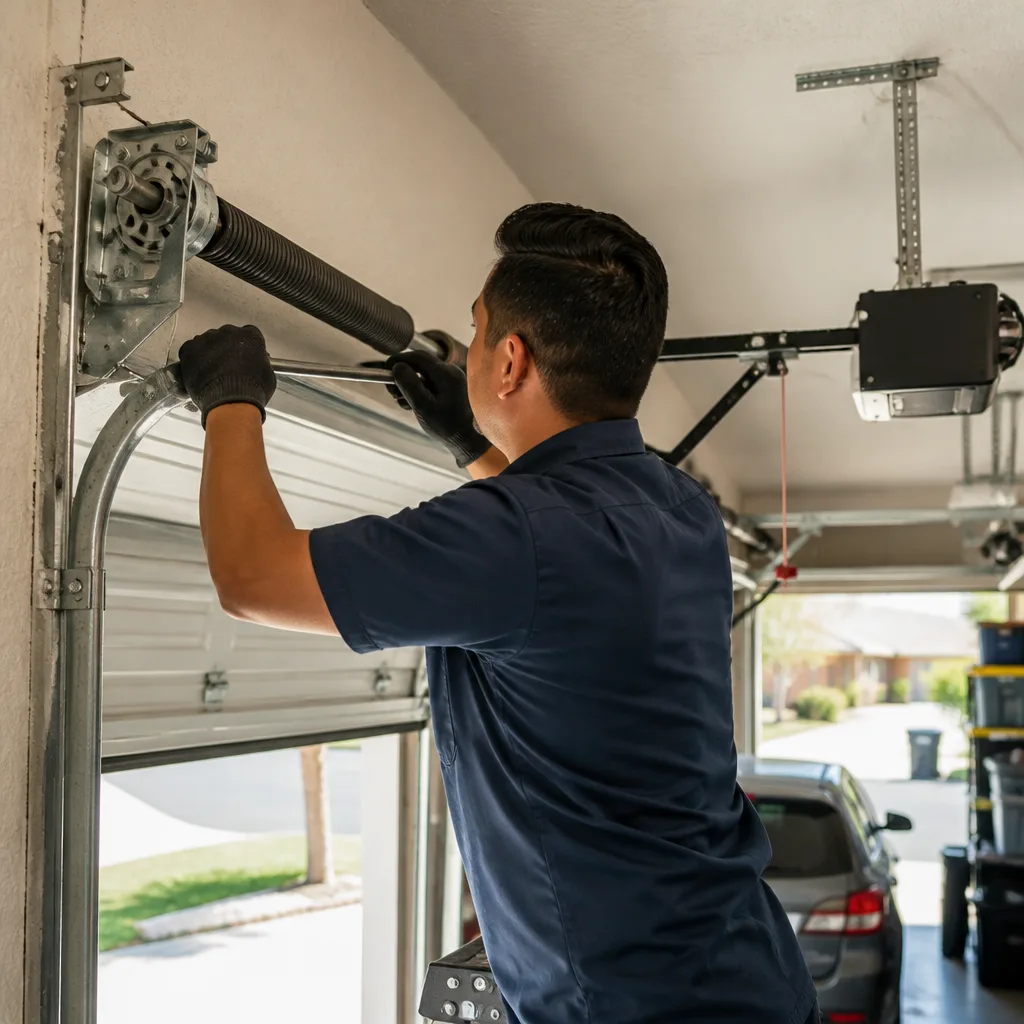 After
After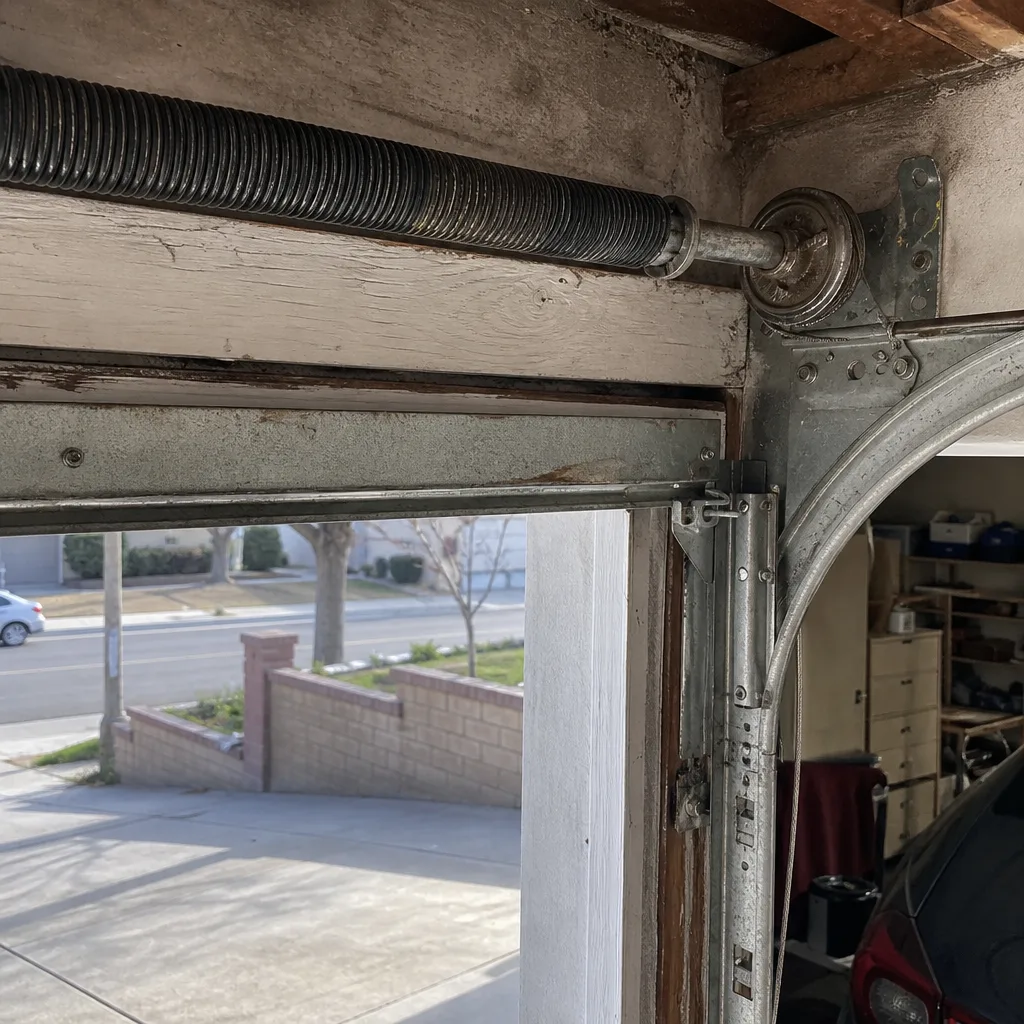 Before
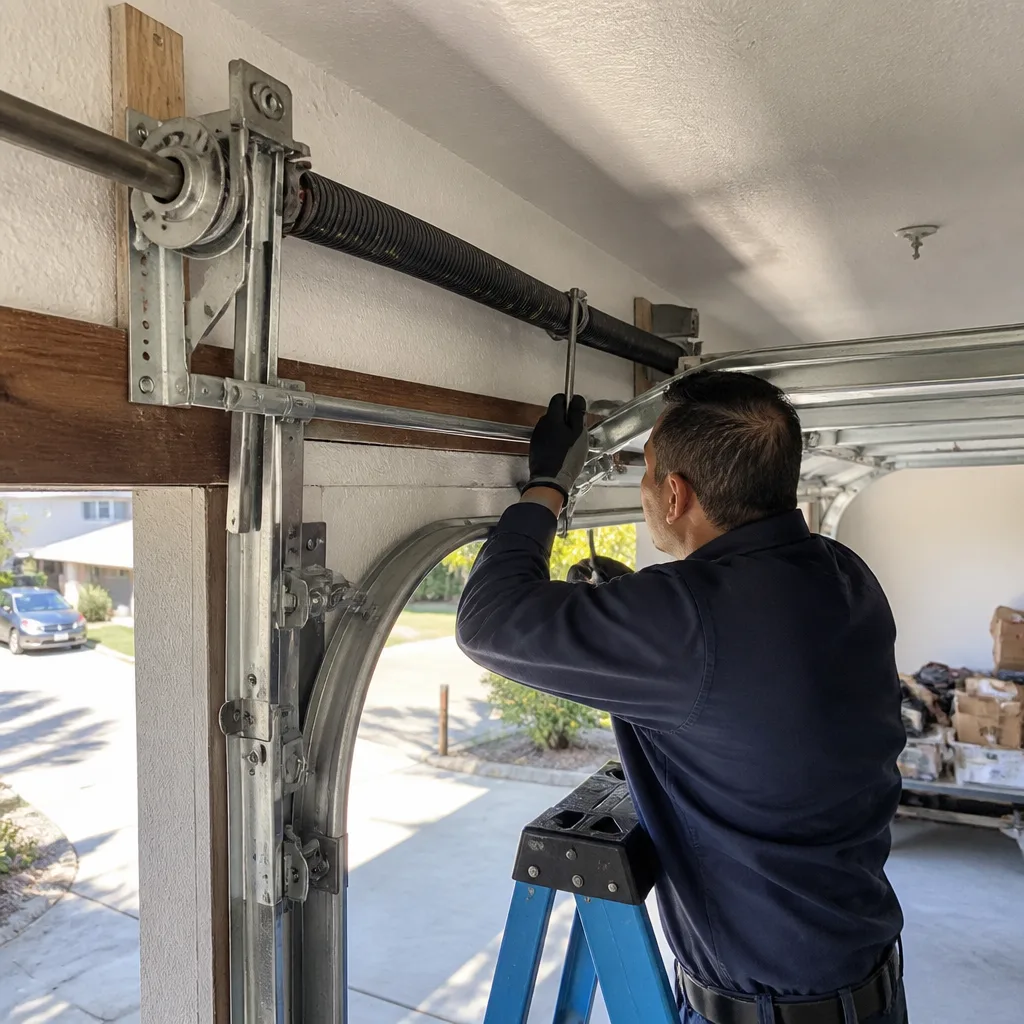 After
AfterGarage Door Cost Breakdown: The Rancho Cucamonga Homeowner’s Reference for 2026
The labor rate for a garage door technician in the Rancho Cucamonga market in 2026 runs $85 to $140 per hour depending on license classification and company overhead structure. That range alone explains why two quotes for the same spring job can differ by $200 before anyone even looks at parts. This guide maps the variables that actually move garage door pricing in Rancho Cucamonga, so the first quote you receive isn’t the only reference point you have. You’ll learn what each component costs, why the spread is real, and how to read a quote like someone who’s done this before.
Quick Answer
Garage door repair in Rancho Cucamonga typically costs $180 to $850 depending on the component, with a torsion spring replacement running $280 to $520 for a single spring and new garage door installation ranging $1,100 to $3,900 installed, driven by material, gauge, insulation, and opener type. The wide ranges reflect real variables, including technician labor rates of $85 to $140 per hour, part quality tiers, and whether the door is single or double spring. A written, flat price before work starts should be the baseline expectation, not a negotiating point.
Table of Contents
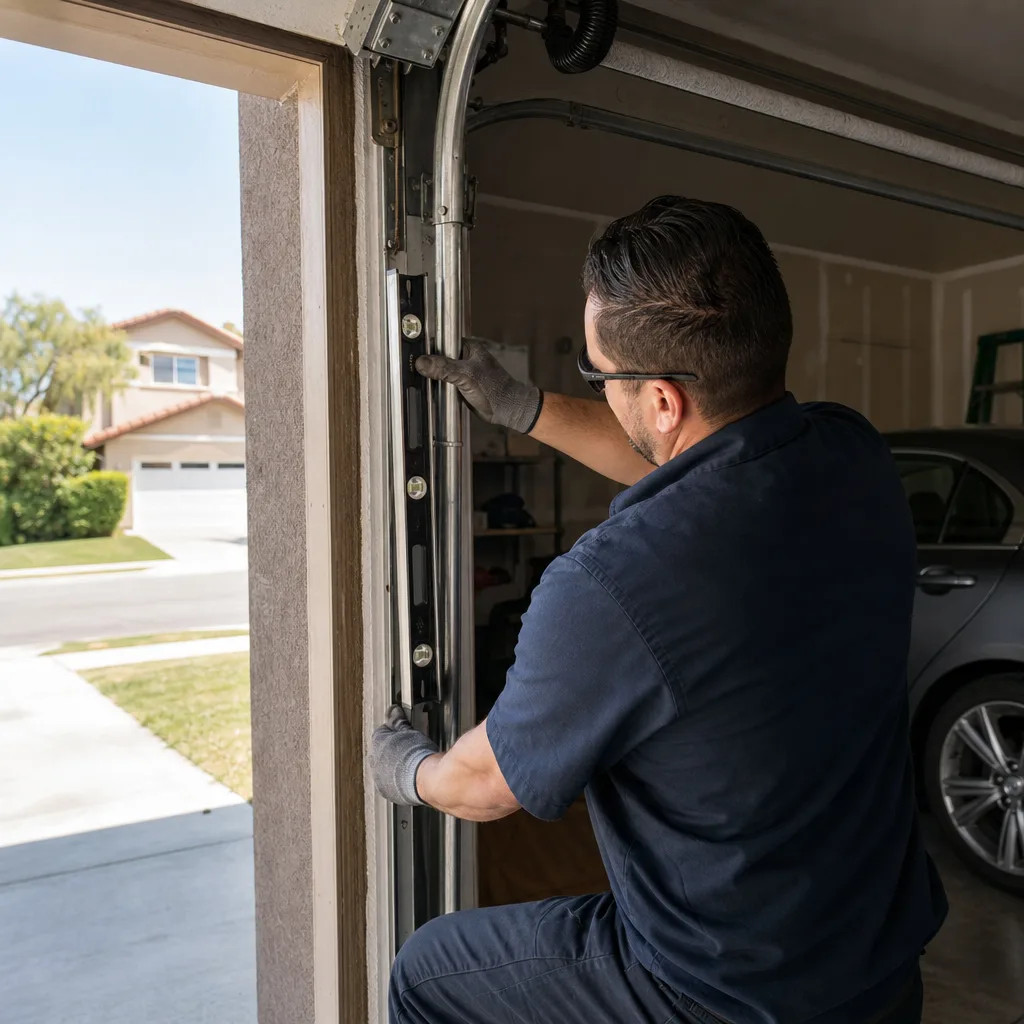
- The Labor Rate: Why Quotes Differ by $200 Before Parts
- Component-by-Component Cost Table for Rancho Cucamonga
- Door Material, Gauge, and Insulation: Where the Money Goes
- Parts Markups: How to Read a Quote Line by Line
- Permits and Inspection Fees in Rancho Cucamonga
- Deferred Maintenance: What a $45 Inspection Prevents
- Common Mistakes to Avoid
- When to Call a Professional
- Frequently Asked Questions
- The Bottom Line
BeforeAfterThe Labor Rate: Why Quotes Differ by $200 Before Parts
Every garage door quote in Rancho Cucamonga starts with the same invisible number: the hourly labor rate. In 2026, that rate runs $85 to $140 across the Inland Empire, and the spread reflects real structural differences between companies. A solo operator working from a pickup truck with minimal overhead can book jobs at $85 per hour and still make a living. A licensed, insured operation with background-checked technicians, a parts stock on every truck, and 24/7 live phone coverage carries overhead that pushes the rate toward $140. Neither number is dishonest. They describe different businesses.
What matters for you is that labor is typically billed as a flat job rate, not an open hourly meter. A spring replacement quoted at $320 includes the technician’s time, the trip, the part, and the disposal of the old spring. When a company quotes $520 for the same job, the difference is rarely pure markup. It’s usually one of three things: a higher-grade spring with a longer cycle rating, a double-spring system rather than a single, or a labor rate from a company that carries the full cost of compliance and documentation. Ask which one it is. A company that can’t answer that question is guessing at its own pricing.
We’ve seen quotes in Rancho Cucamonga for identical spring work differ by $200 with no difference in the part at all. One technician quoted labor at $110, the other at $140, and the job took two hours. The fix for this is not to hunt for the cheapest rate. It’s to demand a flat, written price before the work starts. Clause 1 of The Haven Standard exists because the alternative, a vague verbal estimate that becomes a higher invoice, is the single most common complaint homeowners bring to us. The written price is the quote. The verbal guess is a placeholder.
Component-by-Component Cost Table for Rancho Cucamonga
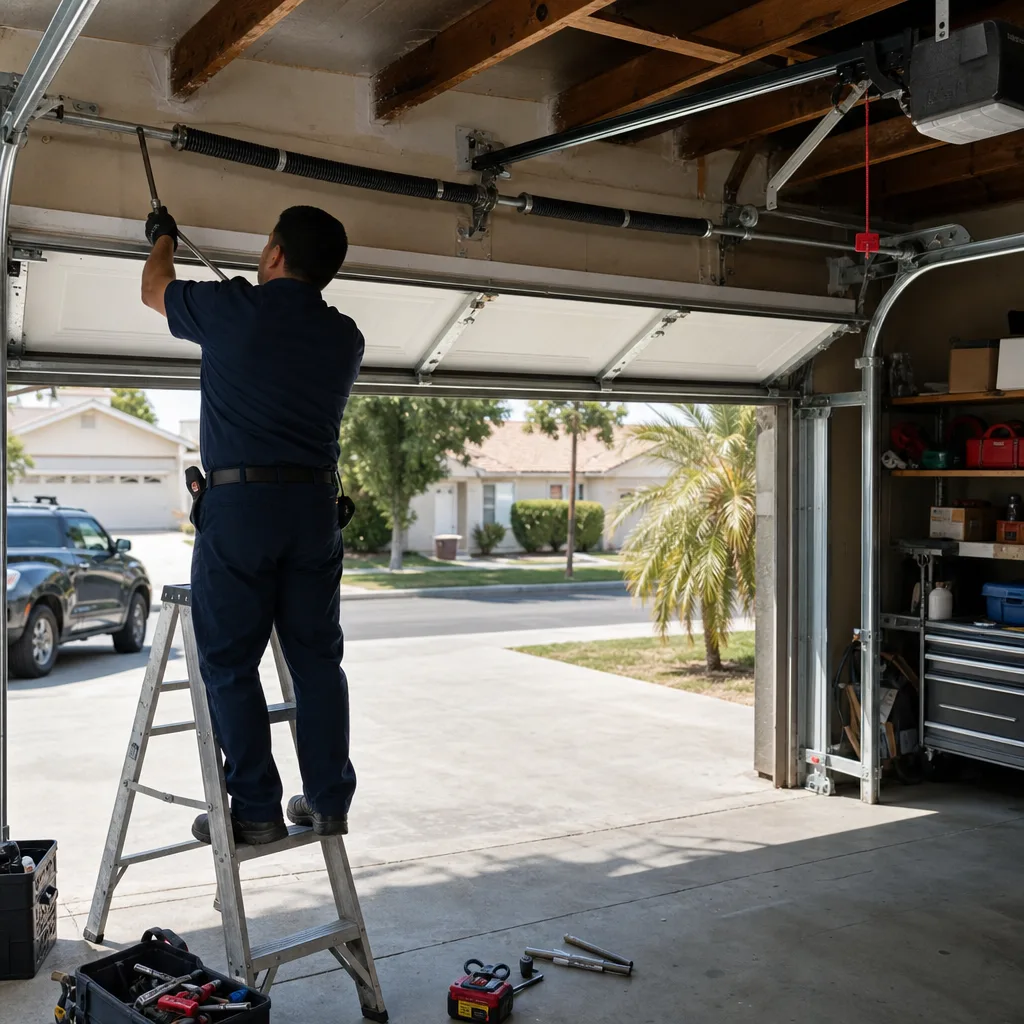
Here is the cost structure we see week to week across Rancho Cucamonga, from Victoria Gardens neighborhoods to the foothills north of the 210. These are installed prices, including labor, for a standard two-car residential door.
- Torsion spring, single: $280 to $420 installed. The variable is cycle rating. A 10,000-cycle spring costs about $40 more than a standard 20,000-cycle unit rated for roughly five years of normal use.
- Torsion springs, double (both replaced): $380 to $520 installed. Most two-car doors use two springs, and replacing only the broken one leaves an aging partner that typically fails within six months. The second spring is cheaper to replace at the same visit than on a separate trip.
- Cables (pair): $180 to $280 installed. Cables are safety-critical. When one frays, the other is usually at the same stage. This is not a place to save $50.
- Rollers, steel (set of 10): $100 to $160 installed. Steel rollers work fine but run louder and wear faster. In Inland Empire heat, steel-on-steel rollers can degrade faster than in coastal climates because the garage interior temperature cycles harder.
- Rollers, nylon (set of 10): $140 to $220 installed. Nylon rollers run quieter and last longer, and the price difference is modest enough that we rarely recommend steel for occupied homes.
- Bottom brackets (pair): $160 to $250 installed. These carry the cable tension. When one fails, the door can rack and bind, which is how you end up with a bent track.
- Garage door opener, chain drive: $380 to $550 installed. Chain drives are durable and loud, which is fine for detached garages. For attached garages under bedrooms, the noise is a real complaint we hear constantly.
- Garage door opener, belt drive: $480 to $700 installed. Belt drives run significantly quieter, and in Rancho Cucamonga homes with bedrooms over the garage, this is the single most requested upgrade when we do garage door opener repair and installation.
- Logic board replacement: $220 to $340 installed. This is the brain of the opener, and the part cost varies by brand. A Chamberlain logic board runs about $30 less than a LiftMaster unit, but both are installed in under an hour.
- Trolley carriage replacement: $150 to $230 installed. The carriage is the part that travels along the rail and physically moves the door. When the teeth strip, the door stops moving even though the motor runs.
The number one variable across every one of these line items is the part quality tier. A $15 spring and an $80 spring both fit the same shaft. The difference is the number of cycles the manufacturer rates it for and the diameter of the coil wire. A spring that measures 0.25-inch wire diameter is a standard residential spring. A spring that measures 0.207-inch is a lighter unit that will fail faster under the same door weight. When a quote seems too low, ask for the spring wire diameter and cycle rating. That question alone separates a parts invoice from a parts mystery.
Door Material, Gauge, and Insulation: Where the Money Goes
New garage door pricing in Rancho Cucamonga starts around $1,100 for a basic non-insulated 25-gauge steel single door and climbs past $3,900 for a double-width, insulated, windowed door with a premium finish. The spread is not marketing. It’s material science.
Steel gauge is the first variable. A 24-gauge steel panel is thicker and more dent-resistant than a 25-gauge panel. In Rancho Cucamonga, where the average attached garage faces a driveway and often a street hockey game or a basketball hoop, dent resistance is not abstract. A 25-gauge door can dent from a well-thrown basketball. A 24-gauge door usually won’t. The price difference between 24-gauge and 25-gauge on a standard two-car door is roughly $200 to $350, and if you have kids or plan to, that’s often the best money in the entire quote.
Insulation is the second variable, and in the Inland Empire it matters more than most homeowners expect. Summer garage temperatures in Rancho Cucamonga regularly exceed 110 degrees. An uninsulated steel door turns the garage into a heat sink that works against your home’s HVAC, especially if the garage is attached and shares a wall with living space. A polystyrene-insulated door (typically R-6 to R-9) adds $300 to $600 to the installed price. A polyurethane-insulated door (R-12 to R-18) adds $600 to $1,100. The higher cost isn’t just comfort. It’s structural rigidity. Polyurethane bonds to the steel skin and makes the panel significantly stiffer, which means fewer dents over the life of the door.
Here’s the price-to-longevity ratio we tell every garage door installation customer who asks where the value sits: a 25-gauge non-insulated door is a 10-to-12-year door in this climate. A 24-gauge polyurethane door is a 20-to-25-year door. The cost difference is roughly $900 to $1,400 upfront. Spread that over the extra decade of service, and the premium door costs you less per year than the budget one. That’s the calculation most competitors won’t walk you through, because the budget door is an easier sale.
Brand matters less than most quotes imply. Clopay, Amarr, and Raynor all manufacture both entry-level and premium doors under the same brand names. A Clopay door isn’t inherently better than an Amarr door. The specific panel series, gauge, and insulation type are what determine quality. That’s why a quote that reads “Clopay door, $2,400” without a series or model number is not a quote. It’s a brand name with a number attached.
Parts Markups: How to Read a Quote Line by Line
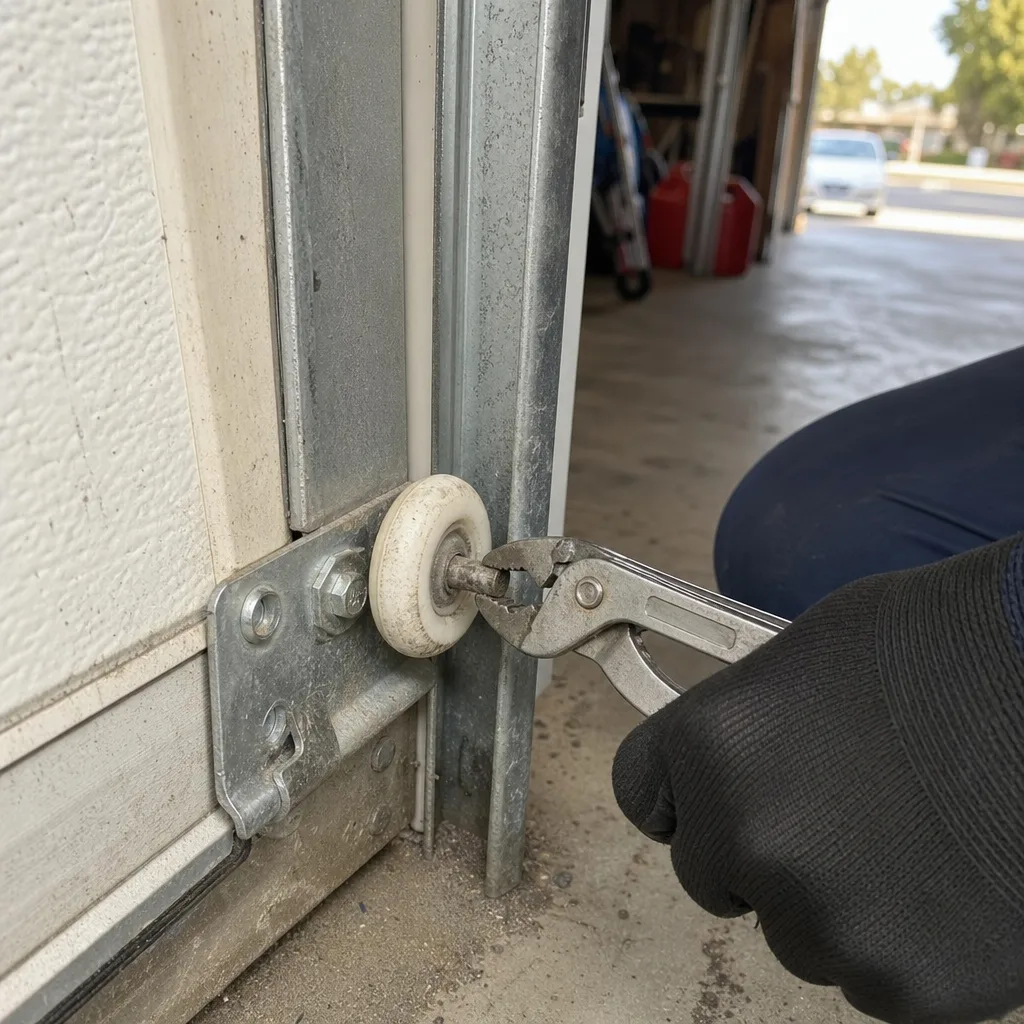
Garage door companies buy parts at wholesale and sell them at a markup. That practice is normal and legitimate. What’s not legitimate is a quote that hides the part entirely. Here’s how to tell the difference.
A legitimate parts line item identifies the part by name and specification. It reads something like “Torsion spring, 0.25-inch wire, 24-inch length, 10,000-cycle rating, $95.” From that line, you can verify the part exists, matches your door, and is priced within a normal retail range. A vague line item reads “spring assembly, $400” with no specification. That’s not a part. That’s a category, and categories are where markup hides.
The practical difference: a documented part number is traceable. You can Google it. You can compare it. You can ask a competitor what they charge for the same unit. A part category is only traceable to the company that wrote it. We operate under a written-price-first system specifically because Clause 4 of The Haven Standard requires that the failed component be photographed before a replacement is quoted. You see the broken spring. You see the part number on the replacement quote. You keep the photo record.
Here’s a numbered process for reading any garage door quote in Rancho Cucamonga, regardless of who wrote it:
- Find the labor line. It should be a flat number, not a rate multiplied by hours you’re expected to trust. If labor is broken out hourly, ask for a cap.
- Find the parts lines. Each should name the part and its spec. Wire diameter for springs. Gauge for panels. Cycle rating for openers.
- Find the disposal or trip fee, if any. A separate disposal fee on a small parts job is usually padding. A $40 to $60 trip fee that’s waived with the repair is standard.
- Check the total against the market ranges in this guide. If a single spring quote is $700, the question isn’t whether it’s expensive. The question is what the extra $180 to $280 is paying for.
- Confirm the price is flat and written before work starts. If the company won’t commit to that, walk away.
Most homeowners never see parts markup breakdowns because most quotes don’t provide one. You’re allowed to ask. The answer tells you more about the company than the number does.
Permits and Inspection Fees in Rancho Cucamonga
Most garage door repairs in Rancho Cucamonga don’t require a permit. A spring replacement, cable replacement, roller swap, or opener installation on an existing door is classified as maintenance or repair, and the city doesn’t require a permit for it. Where permits do enter the picture is when the work crosses into structural territory: a new door opening, a header modification, or a full replacement that changes the door’s weight or mounting configuration.
Rancho Cucamonga building permit fees for residential work of this type typically run $150 to $400 depending on the scope, with plan check fees adding $100 to $250 if engineered drawings are required. Inspections are scheduled through the city’s building department, and the inspection itself is usually included in the permit fee. The total permit and inspection line item on a door replacement that crosses the threshold is typically $250 to $600.
Here’s the practical rule. If you’re replacing an existing door with a new door of the same size and similar weight, you probably don’t need a permit, but the installing company should confirm this in writing. If a quote includes a permit line item, ask what triggered it. If a quote doesn’t include one and the job clearly involves structural changes, ask why not. A company that can’t answer that question confidently is not the company you want touching your header.
We recommend factoring $300 to $500 into your total project budget for any job where permits are reasonably possible. If the permit isn’t required, that money stays in your pocket. If it is, you’re not surprised at the end. That’s the entire point of planning a garage door project as a budget, not a single line item.
Deferred Maintenance: What a $45 Inspection Prevents
Here is a documented cost structure from our files, anonymized but specific to a Rancho Cucamonga home we serviced in 2025. The homeowner called for a $45 cable inspection after noticing a frayed strand during routine maintenance. We replaced both cables for $240 total. Six months earlier, a neighbor with the same door model ignored the same symptom. When the cable snapped, the door fell, bent the track, destroyed the bottom bracket, and buried the second cable in the drum. That emergency repair ran $680.
That’s the math of deferred maintenance in its simplest form. A $45 inspection caught a $240 repair before it became a $680 emergency. The inspection didn’t prevent the cable from wearing. Cables wear. What it prevented was the failure mode: a snap under tension that cascades damage through the track, brackets, and sometimes the door panel itself.
The same pattern runs through every component on a garage door. A worn roller that costs $18 to replace gets loud, then gets rough, then falls apart and scores the track. The track replacement runs $300 to $500 for the same door that a $180 roller set would have kept original. A bottom bracket that shows visible movement during operation is a $180 to $250 part. Left alone, it fails under cable tension and can damage the door bottom section, which is a $500 to $900 panel replacement on most doors.
We don’t recommend monthly garage door servicing. For most Rancho Cucamonga homes, an annual visual inspection, which takes about 30 minutes and costs $40 to $60 from most companies, is the right interval. See our Garage Door Repair Maintenance Checklist for Rancho Cucamonga Homeowners for what to look for. For doors more than 15 years old, or doors with original springs past their expected cycle life, a six-month check is worth it. The goal is not to turn maintenance into a subscription. It’s to catch a $45 problem before it becomes a $680 one, and the only way to do that is to look at the door before it fails.
Common Mistakes to Avoid
- Taking the first quote as the market. The labor rate spread in Rancho Cucamonga means two legitimate quotes for the same job can differ by $200. Get two or three written quotes before deciding, or bring a competitor’s estimate for a second opinion.
- Replacing one spring on a two-spring door. The surviving spring is the same age and has the same cycle count. It typically fails within six months, and the second service trip costs you another labor charge that the combined replacement would have absorbed.
- Buying the brand instead of the spec. “Clopay” or “Amarr” on a quote is not a quality level. The gauge, insulation type, and panel series are the quality level. Ask for the specifics, and if the quote can’t produce them, the price is a guess.
- Ignoring garage temperatures when choosing uninsulated doors. In Rancho Cucamonga, an attached garage with an uninsulated door becomes a heat source against your living space from June through September. The insulation upgrade pays for itself in HVAC efficiency and comfort.
- Accepting a quote without part specifications. A line item that reads “spring assembly” without wire diameter, length, and cycle rating is not a quote. It’s an open number. Demand the spec, and if they won’t provide it, find someone who will.
- Skipping the visual inspection entirely. Most garage door failures announce themselves weeks or months in advance as noise, hesitation, or visible wear. An annual or semi-annual look at the springs, cables, rollers, and brackets is the cheapest insurance in this guide.
- Signing before the price is written. Any company that gives you a verbal number and asks for a signature before putting it on paper is not operating in your interest. The written price should arrive before the work order, not after the invoice.
When to Call a Professional
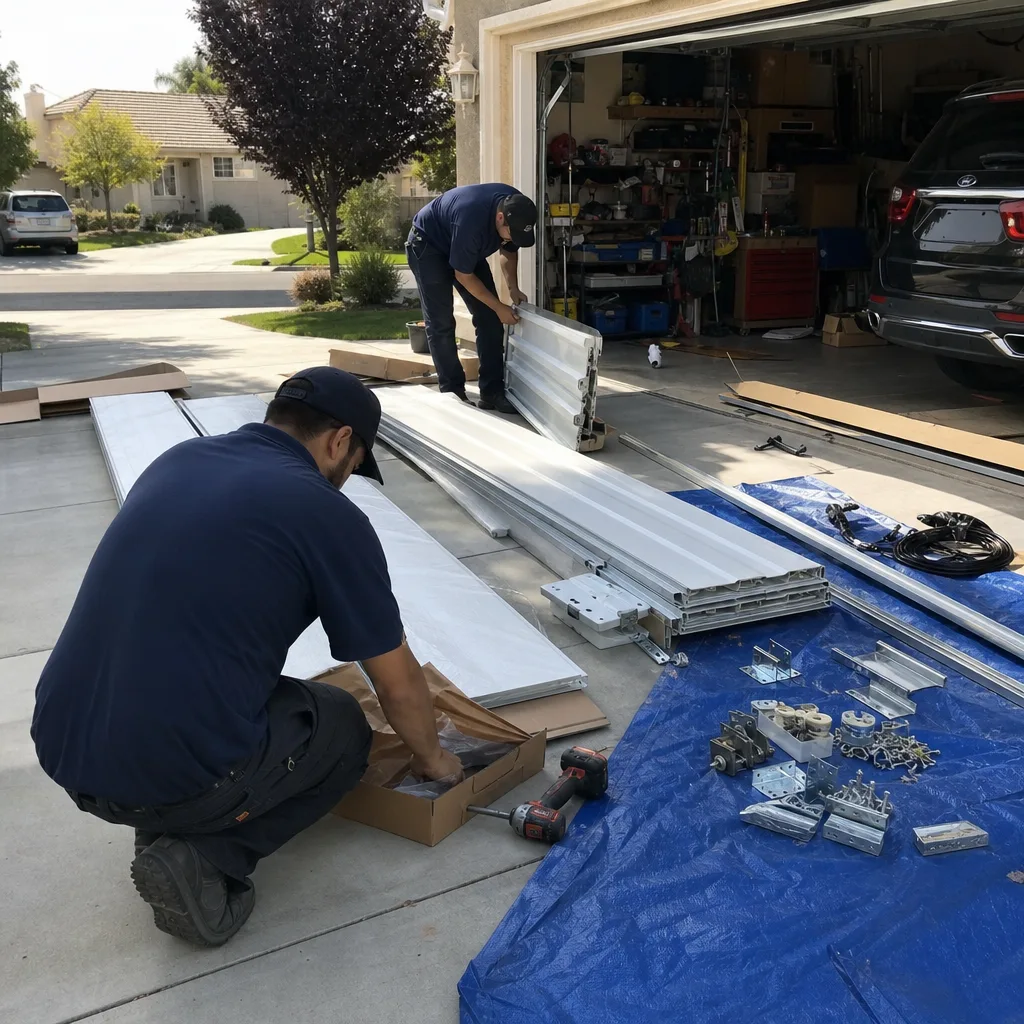
A torsion spring under tension stores enough energy to cause serious injury if it releases incorrectly. So does a cable under load. So does a bottom bracket that fails while the door is mid-travel. These are not DIY components, and the YouTube videos that suggest otherwise are not a replacement for a trained technician with the right winding bars and the muscle memory to use them. If your door has a broken spring, a snapped cable, a door that’s come off its track, or any component under tension showing visible damage, stop using the door and call a professional.
Servo Garage Doors Rancho Cucamonga offers free estimates in Rancho Cucamonga, with a flat written price and a documented photo record on every visit. Call (909) 498-8655 and a live person answers, 24/7, including emergencies.
Frequently Asked Questions
Most garage door repairs in Rancho Cucamonga run $180 to $850 depending on the component, with the most common repair, a single torsion spring replacement, typically landing between $280 and $420 installed. The range reflects technician labor rates of $85 to $140 per hour and the quality tier of the parts used. Call (909) 498-8655 for a flat written quote, or request a free second opinion on any written estimate you already have.
Yes, and for spring, cable, and roller failures we typically carry the parts on the truck and complete most repairs the same day, often within a single visit. We answer calls live 24/7, including emergency garage door calls, and you’ll get a named technician with an on-the-way text, not a callback window. Call (909) 498-8655 and we’ll give you a flat written price before any work begins.
No. The flat written price we quote before work starts is the price you pay when the work is done. If the scope changes, you get a new written price before the additional work begins, per Clause 1 of The Haven Standard. We photograph the failed component and document what we found and what we did, so the invoice is never a surprise.
For the common failures, yes: torsion springs in multiple wire diameters and cycle ratings, cables, rollers (steel and nylon), bottom brackets, openers, and logic boards for all major brands including LiftMaster, Chamberlain, Genie, and Raynor. For new doors, measured installation is scheduled, and you get a written price from the measurements before any order is placed. If a part isn’t on the truck, we tell you before we dispatch, not after we arrive.
A new garage door in Rancho Cucamonga typically costs $1,100 to $3,900 installed, depending on size, steel gauge (24-gauge vs 25-gauge), insulation type (polystyrene vs polyurethane), windows, and finish. A basic 25-gauge single non-insulated door starts near the bottom of that range, while a double-width 24-gauge polyurethane-insulated door with windows lands near the top. Call (909) 498-8655 for a free measure and a written price before you commit to anything.
We service all eight major garage door brands: LiftMaster, Chamberlain, Genie, Clopay, Amarr, Wayne Dalton, Craftsman, and Raynor. Parts availability varies by brand and model, and we can usually confirm part availability on the phone before we dispatch. Call (909) 498-8655 and a live person will check for you.
The Bottom Line
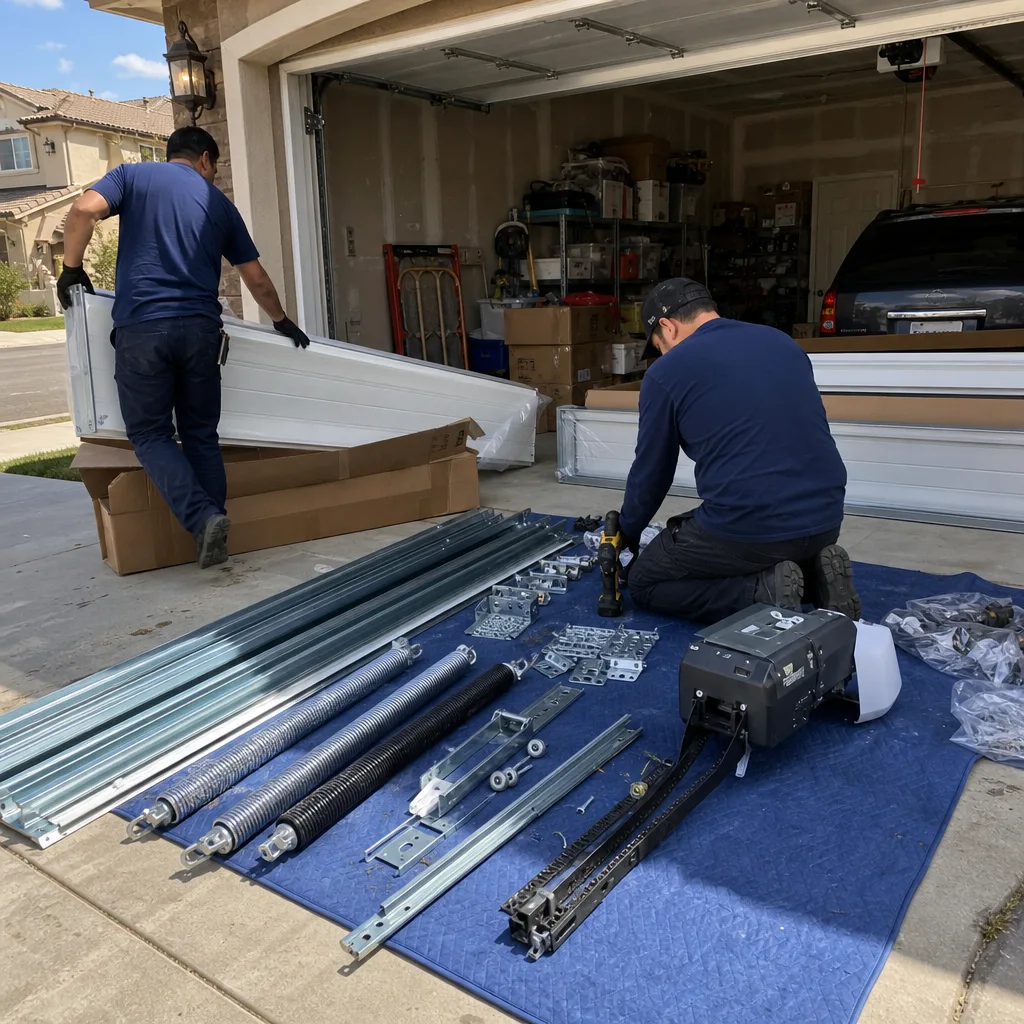
Garage door pricing in Rancho Cucamonga is wide-ranging because the variables are real: labor rates that span $85 to $140 per hour, part quality tiers that differ by $50 to $200 on the same component, and door materials that trade upfront cost for a decade of extra service life. The way to navigate that spread is not to hunt for the cheapest quote. It’s to demand written, specific, flat pricing before work starts, with part numbers, spring wire diameters, and cycle ratings on the page. If a company can’t produce that, the number they quoted isn’t a price. It’s a placeholder. Servo Garage Doors Rancho Cucamonga has operated that way since 2015, with 18,000+ doors made right, every one with a written price before work started and a documented record when the technician left. For garage door repair in Rancho Cucamonga, call (909) 498-8655. A live person answers, and the price is in writing before the first tool comes off the truck.
Written by Marcus Deller, Owner at Servo Garage Doors Rancho Cucamonga, serving Rancho Cucamonga since 2015.